Water Heater Leaking or Rumbling in the Garage? What the Drips and Noise Mean
August 5, 2026
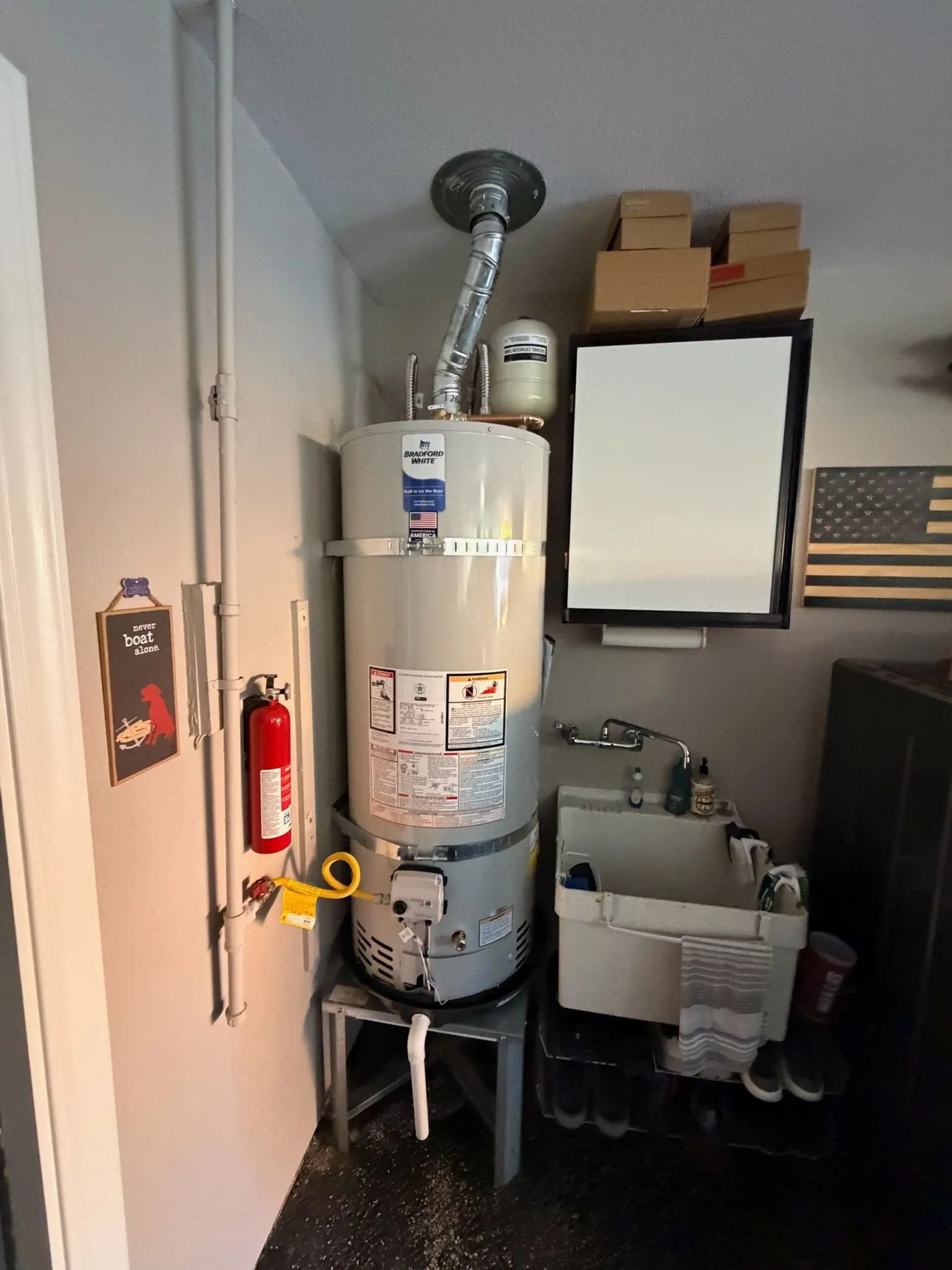
Quick Answer: A rumbling or popping water heater almost always means sediment has built up in the bottom of the tank and is trapping water that boils and pushes up through the mineral layer. A leak is a separate signal that usually comes from the temperature and pressure relief valve, the drain valve, a loose fitting, or a corroding tank. When both show up around the same time, the sediment causing the noise is often also the thing keeping the relief valve from seating properly or accelerating corrosion at the bottom of the tank, which means the unit is closer to a real failure than either symptom would suggest on its own. Shut off the water and power or gas to the unit if the leak is active, and get the tank inspected before you're left without hot water or find standing water spreading across the garage floor.
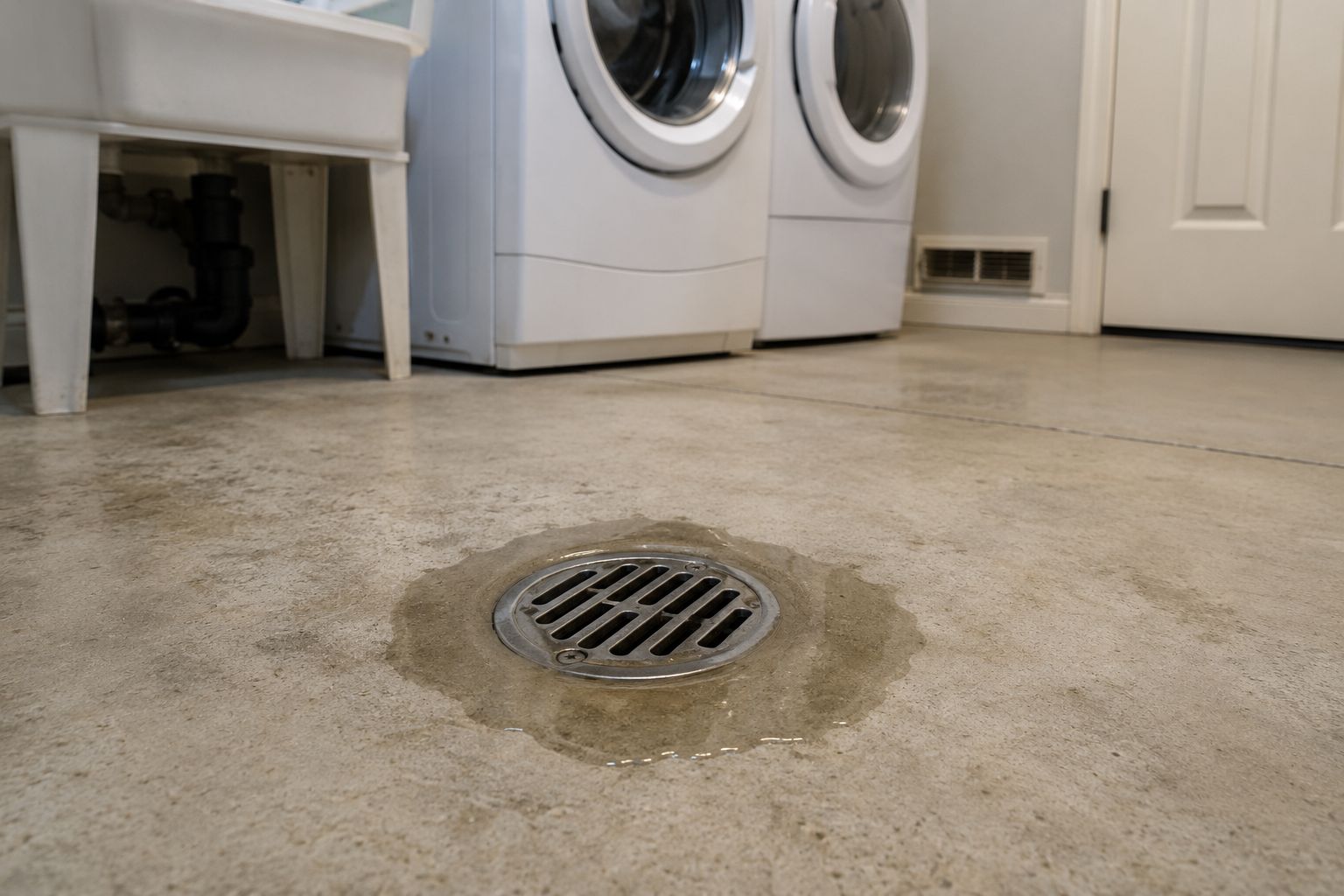
You walk into the garage to grab something out of the freezer and hear it before you see it, a low rumble or a series of pops coming from the water heater in the corner. Then you notice the concrete around the base is damp, or there's a thin trail of water running toward the floor drain. Two separate problems, you figure, and maybe they are. But more often than not, the noise and the drip are connected, and ignoring either one while you wait to see what happens is how a slow weekend nuisance turns into a garage full of standing water and a cold shower on a Tuesday morning.
Why the Tank Is Rumbling in the First Place
Every water heater, whether it runs on gas or electricity, sits on a slow clock that hard water speeds up. As water heats and cools inside the tank, dissolved minerals settle out and drop to the bottom, forming a layer of sediment. In a home on well water or in an area with mineral-heavy municipal supply, which describes most of the foothill communities from Cameron Park through Placerville and out toward Pollock Pines, that layer builds faster than it would on soft city water.
Once enough sediment collects, it acts like a blanket sitting between the burner or lower heating element and the water above it. Pockets of water get trapped underneath that layer, and as the burner or element keeps firing, that trapped water boils. Steam bubbles form and force their way up through the sediment, and the popping, rumbling, or knocking sound you hear is that steam breaking through the mineral crust and collapsing back into the water above it. It's essentially a small, repeated boil happening at the bottom of a sealed tank, and it gets louder as the sediment layer thickens.
This isn't just an annoyance. That trapped, boiling water concentrates heat at the exact spot where the tank metal or the heating element sits, and sustained overheating in one location wears through steel and glass lining faster than even heat distributed across the whole tank bottom would. A tank that rumbles today is a tank that is aging unevenly, and the noise is your only early warning that it's happening.
Where the Drips Are Actually Coming From
A leak on or around a water heater can start in several different places, and where it's coming from changes what it means.
The temperature and pressure relief valve
This valve sits on the side or top of the tank and is designed to open automatically if pressure or temperature inside climbs past a safe threshold, venting water out through a discharge pipe that usually runs down toward the floor. Occasional dripping right after a hot water draw can be normal, since heated water expands and needs somewhere to go. Steady or repeated leaking is not normal and usually points to one of a few causes: a thermostat that's letting the water run too hot, excess pressure with nowhere else to release, or sediment and mineral debris caught in the valve seat that keeps it from closing fully once it opens. That last cause ties the leak directly back to the same sediment buildup that's making the tank rumble.
The drain valve at the base
This is the fitting used to flush the tank, and over time the plastic or brass valve can develop a slow weep, especially if it hasn't been opened in years and mineral scale has worked into the threads. A drip here is usually a worn or loose valve rather than a tank-wide problem, but it's worth confirming rather than assuming.
Loose fittings or supply connections
Where the cold water supply and hot water outlet connect to the top of the tank, and anywhere a union or shutoff valve sits along the line, is a common spot for a slow drip caused by a fitting that's simply worked loose or a washer that's worn out.
The tank itself
This is the one you don't want. Steel tanks are lined with glass or coated to resist corrosion, but that protection breaks down over years, especially with heavy sediment sitting against the tank wall and accelerating rust from the inside out. Once water is seeping through the tank shell rather than through a valve or fitting, there's no repair for that. The tank is failing.
Tip: Dry the area around every suspect point completely, then set a folded paper towel under the relief valve discharge, the drain valve, and each fitting. Check back in an hour. Whichever towel is wet tells you exactly where the water is originating, instead of you guessing based on where the puddle happens to pool on an uneven garage floor.
Why the Combination Matters More Than Either Symptom Alone
A water heater can rumble for months without leaking, and it can develop a small drip at a fitting with no noise at all. Neither on its own necessarily means the tank is done. It's when they show up together, especially a T&P valve that's leaking on a tank that's also rumbling, that you're looking at a unit under real strain. The sediment thickening at the bottom is both causing the noise and, in many cases, contributing to the pressure and debris problems that keep the relief valve from sealing. A tank in that state is working harder to heat the same amount of water, running its burner or element longer per cycle, and doing it while sediment eats away at the tank lining from the inside.
Age plays into how seriously to take that combination. A tank-style water heater that's five or six years old and showing its first rumble alongside a valve that's dripping after heavy use is a maintenance call, not an emergency. The same symptoms on a unit that's ten or twelve years old, especially one that has never been flushed, point toward a tank that's close to the end of its service life and worth having evaluated before it fails outright rather than waiting for it to leak from the tank body itself.
Don't Wait on Either Symptom to Get Worse
Warning: If the leak is coming from the T&P valve and you're tempted to just cap the discharge line or force the valve shut to stop the drip, don't. That valve is the tank's built-in safety release for excess pressure and heat. Blocking it doesn't fix the underlying cause, it just removes the one thing standing between a pressure buildup and a much more dangerous failure. If the valve is leaking, the fix is diagnosing and correcting why, not disabling the part that's protecting you.
Between the noise and the leak, the leak is the one that forces your hand faster, since standing water in a garage damages whatever it touches and won't stop on its own. The rumbling can feel easier to live with because it doesn't leave a mess, but it's telling you the tank is degrading from the inside in a way you can't see or measure without draining and inspecting it. Treating either symptom as background noise, literally, means finding out the hard way which one wins first.
What a Professional Check Actually Involves
A proper look at a rumbling, dripping water heater starts with confirming exactly where the water is coming from, using the same dry-and-check approach as at home but with the tank pressure and temperature also measured to rule out a thermostat or expansion problem. From there, a full flush clears out the sediment causing the noise, which on a tank that's gone years without service can take real time and more than one pass to fully clear. The anode rod, the sacrificial metal rod inside the tank that corrodes in place of the tank lining, gets pulled and inspected at the same visit, since a rod that's worn down is a big part of why sediment and corrosion accelerate in hard water areas like this one. If the relief valve is the source of the leak, it gets tested and replaced rather than just tightened, since a valve that's already let debris into its seat once tends to repeat the problem. And if the inspection turns up pitting, rust weeping through the tank shell, or a lower element or burner area that's been sitting under sediment for years, that's the point where repair stops being the answer and replacement becomes the honest recommendation.
Frequently Asked Questions
Is it normal for a water heater to make some noise?
A faint tick or hiss during heating cycles is common and not a concern. Rumbling, popping, or knocking loud enough to notice from another room means sediment has built up enough to trap and boil water.
How much dripping from the relief valve is okay?
A small amount right after a heavy hot water draw, when expansion briefly raises pressure, can be normal. Repeated or steady dripping means the thermostat, pressure, or valve seat needs attention, not just monitoring.
Can I flush the sediment out myself?
Draining a small amount from the base valve is something many homeowners handle, but a tank gone years without service often has sediment packed too dense, and an old valve can seize when opened.
Does a leak always mean the tank needs to be replaced?
No. Leaks from the relief valve, drain valve, or a loose fitting are usually repairable without touching the tank itself. Only water coming through the tank shell makes replacement the only real fix.
Why does my garage water heater seem to have more issues than a friend's in a heated space?
An unconditioned garage puts the unit through a wider temperature range, especially on cold foothill nights, and that extra stress on gaskets and valves tends to surface as drips sooner than in a conditioned space.
Trust the Sound and the Puddle, Not Just One of Them
A water heater rarely fails without warning, it just tends to give warnings people don't recognize until later. Rumbling and dripping are two of the clearest signals a tank can send, and together they usually mean sediment has quietly reached the point where it's affecting more than just sound. Reading those signs early, rather than waiting for a puddle to spread or the hot water to run out mid-shower, keeps a manageable repair from turning into an unexpected replacement on the coldest morning of the year.
Quality Plumbing & Drain Services
has spent over 12
years working on tanks throughout Cameron Park, CA and the surrounding foothill communities, where hard water shortens the timeline on almost every symptom a water heater can show. That experience means knowing the difference between a valve that needs replacing and a tank that's already past the point of repair, and explaining that difference clearly instead of guessing. A rumbling, leaking water heater deserves a real look before it decides the timing for you.