Sewage Backing Up Into the Tub or Floor Drain? Why It Points to the Main Sewer Line
July 31, 2026
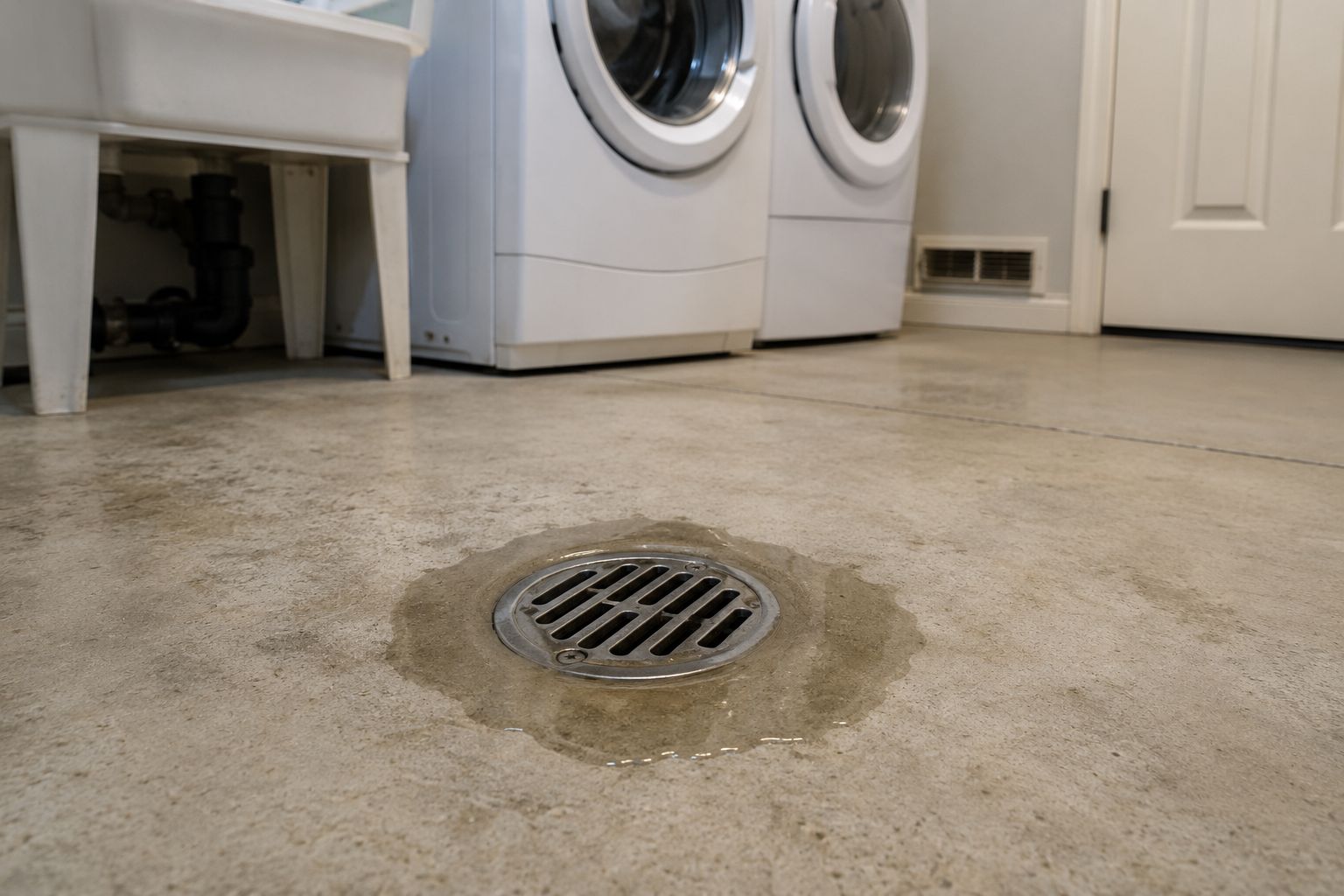
Quick Answer: When raw sewage rises into your bathtub or a floor drain, the problem is almost never that single fixture. Those are the lowest openings in your plumbing, and when the main sewer line that carries every drain in the house to the street or septic tank is blocked, wastewater has nowhere to go but back up through the lowest point it can find. Grease, tree roots, flushed wipes, collapsed old pipe, or a full septic tank are the usual reasons the main line stops flowing. Stop running water, keep out of the sewage, and have the main line inspected with a camera so the actual blockage gets located and cleared.
You go to take a shower and there is dark, foul water standing in the tub. Or you walk into the laundry room and the floor drain is bubbling up sewage every time the washing machine drains. You reach for a plunger and a bottle of drain cleaner, thinking the tub or that one drain is clogged. It is a reasonable first guess, and it is almost always wrong.
When sewage comes up through a bathtub, a shower pan, or a floor drain, it is rarely that fixture that is blocked. Those openings sit at the lowest point of your home's drainage, and they are acting as a relief valve for a problem much deeper in the system. The real trouble is the main sewer line, the single large pipe that collects wastewater from every toilet, sink, tub, and drain in the house and carries it out to the municipal sewer or your septic tank. When that main line is blocked, everything you send down a drain has nowhere to go, so it climbs back up and escapes through the lowest opening it can reach. Here is what that backup is actually telling you and why chasing the wrong fixture wastes time you may not have.
Why the Tub and Floor Drain Are the First to Flood
The lowest opening wins
Your home's drain system is built like a tree. Each fixture has its own small branch line, and every one of those branches feeds into one trunk, the main sewer line that runs under the house and out to the street or septic tank. Gravity moves everything downhill toward that main line. When the main line is clear, wastewater flows away and you never think about it. When it is blocked, the water backs up behind the clog and rises inside the pipes until it finds the lowest escape point in the house.
That escape point is almost always a ground-floor or basement fixture. Bathtubs and showers sit lower than sink drains, and floor drains sit lower still, so they flood first. The floor drain in particular is designed as the lowest point of the whole system, which is exactly why it is often where a main-line problem shows itself before anything else. If you see sewage there, the water is not originating in that drain. It is being pushed up through it from a blockage further down the line.
More than one fixture reacts
The clearest sign that you are dealing with the main line and not a single clog is that several things misbehave at once. Flush a toilet and water gurgles up in the tub. Run the washing machine and the toilet overflows or the shower drain backs up. Use one fixture and a different, lower fixture responds. That cross-talk between drains only happens when the shared trunk line is blocked, because the wastewater from the fixture you are using cannot get past the clog and gets forced sideways into whatever opening is lowest.
What Actually Blocks the Main Line
A handful of causes are behind most main sewer line blockages, and around the El Dorado County foothills a few of them show up more than others.
Tree and shrub roots
Roots naturally grow toward the moisture and nutrients inside a sewer pipe, and they find their way in through tiny cracks and loose joints. Once inside, they keep growing into a dense mat that snags everything passing by and eventually chokes the pipe. On the wooded, tree-heavy lots common across Cameron Park, Shingle Springs, and Placerville, root intrusion is one of the most frequent reasons an older main line stops flowing, and it tends to come back if the roots are only cut rather than fully cleared.
Grease, food, and buildup
Grease poured down the kitchen sink cools and hardens on the pipe walls. Over months and years it narrows the opening and traps food scraps, hair, and debris until the line finally chokes off. In hard-water areas, and much of the foothills runs on hard well or mineral-rich water, limescale slowly builds inside the pipe too, leaving less and less room for waste to pass and setting the stage for a full blockage.
Flushed items that do not break down
Baby wipes and cleaning wipes are the most common offenders, even the ones labeled flushable, along with paper towels, tissues, cotton swabs, and hygiene products. These do not disintegrate the way toilet paper does. They catch on roots or rough spots in the pipe and knit together into a plug that stops the whole line.
Old, damaged, or sagging pipe
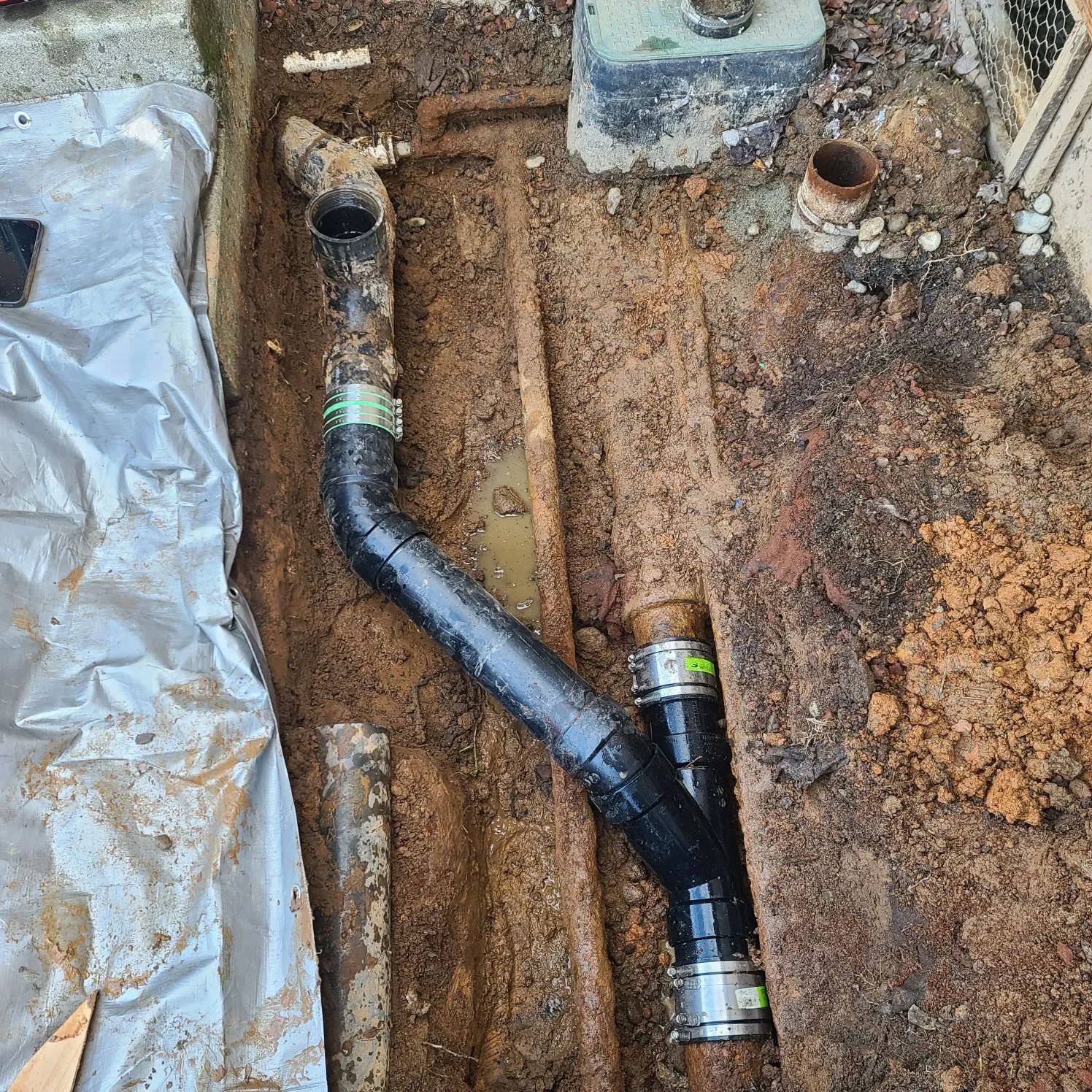
Homes built before the 1970s often have clay or cast-iron sewer lines that crack, corrode, or collapse with age. A section of pipe can also settle into a low spot, called a belly, that holds water and collects solids until it clogs there again and again. Ground movement from construction, digging, or natural shifting of foothill soil can drop or crack a line and turn it into a recurring problem no amount of snaking permanently fixes.
A full or saturated septic system
Many rural foothill properties are on septic rather than city sewer. If the tank is full or the drain field is saturated and cannot absorb more, the main line backs up the same way a blocked city connection would, and the sewage surfaces at the lowest drain in the house.
Tip: Before you call, note exactly which fixtures are affected and what triggers the backup. Does the tub fill when you flush the toilet? Does the floor drain surge when the washer empties? Is more than one drain slow or gurgling? That pattern tells a plumber whether the blockage is in a single branch or the main line, and roughly where along the line it sits, so the diagnosis starts faster.
How the Blockage Gets Found and Cleared
Because so many different faults produce the same symptom of sewage in a low drain, sorting out which one you have takes eyes inside the pipe, not guesswork. A plumber runs a waterproof video camera down the main line to see exactly what is happening, whether it is a root mass, a grease plug, a collapsed section, or a belly holding water, and precisely where along the run it sits. That inspection turns a mystery into a located, measurable problem and prevents unnecessary digging.
From there the fix matches the cause. A mechanical auger, or sewer snake, cuts through many clogs and root intrusions and restores flow for moderate blockages. For heavy grease, sediment, and stubborn root buildup, hydro jetting uses high-pressure water to scour the pipe walls clean from the inside without tearing up the line, which also does a better job of preventing the fast return that snaking alone can leave behind. If the camera reveals cracked, collapsed, or bellied pipe, no amount of cleaning will hold, and the damaged section is what needs attention rather than another round of clearing. The point of the inspection is to tell those situations apart so you are not paying to snake a line every few months that actually needs a section repaired.
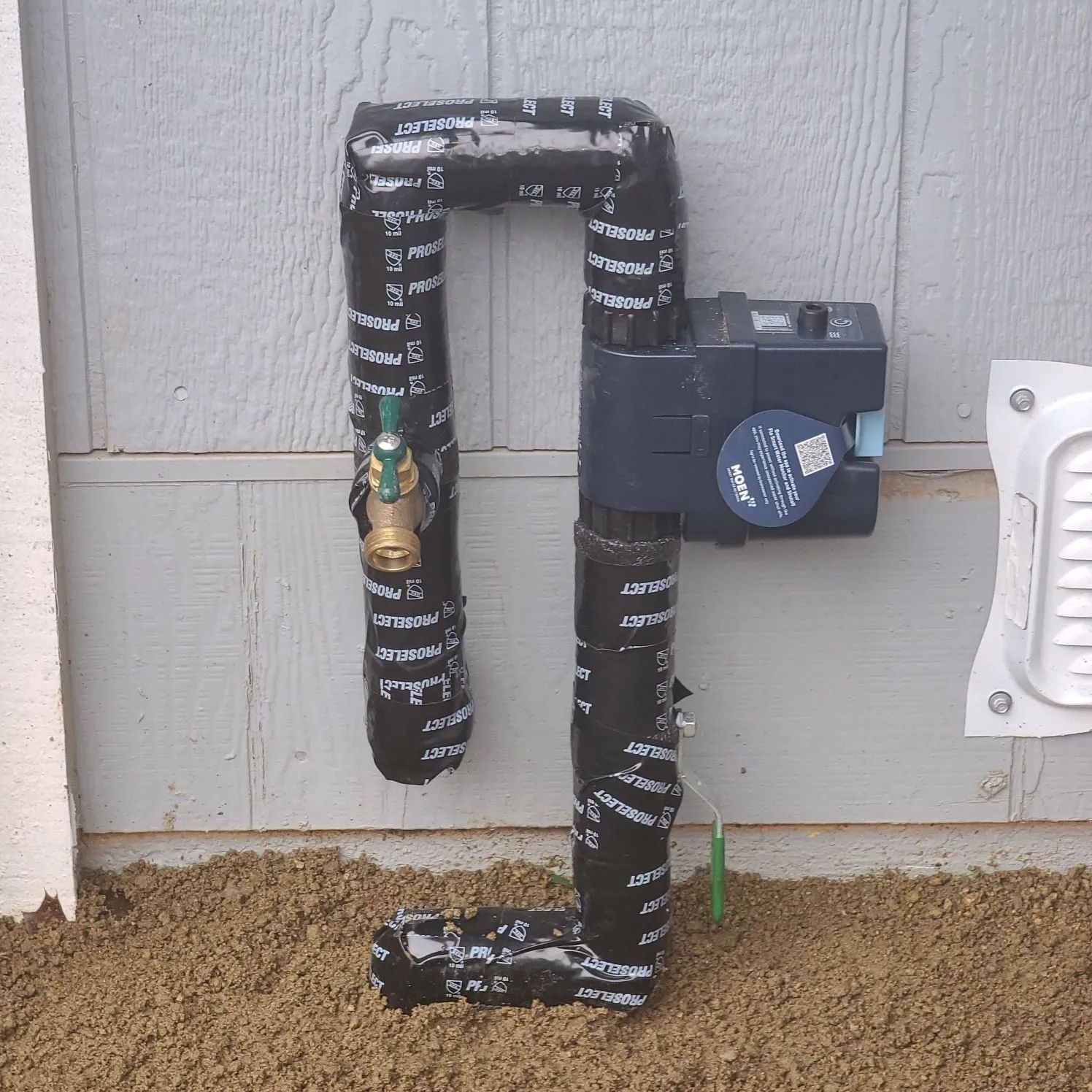
There is also a longer-term angle worth knowing. In homes that sit low relative to the street or that have a history of backups, a backwater valve installed on the main line lets wastewater flow out but drops a flap to block anything trying to flow back in. It works in one direction only, out of the house, and it closes automatically if the line downstream overloads. It is not a substitute for clearing a blockage, and a valve still needs the line kept clear to work, but for the right property it adds a real layer of protection against the lowest drain flooding again.
Frequently Asked Questions
Does sewage in my tub mean the tub drain is clogged?
Usually not. Sewage backing into a tub often indicates a blockage in the main sewer line. Wastewater rises through the lowest drains first, making the tub overflow even though its drain remains completely clear.
How do I know if it is the main line and not just one drain?
If several fixtures back up together, the main sewer line is likely blocked. Toilets, tubs, showers, and floor drains reacting simultaneously indicate a shared drainage problem rather than an isolated clog affecting one fixture only.
Why does this keep happening to my home specifically?
Recurring sewer backups often result from tree roots, aging pipes, bellied sections, or heavy buildup restricting flow. A camera inspection identifies the underlying cause, allowing permanent repairs instead of repeatedly treating temporary symptoms with drain cleaning.
Is it safe to keep using water until the plumber arrives?
No. Using sinks, toilets, showers, or laundry adds wastewater into an already blocked sewer line, increasing flooding inside your home. Stop using water immediately and keep everyone away from contaminated sewage until professionals arrive safely.
Can tree roots really block a whole sewer line?
Yes. Tree roots naturally seek moisture, entering sewer pipes through small cracks or joints. They continue growing inside, trapping debris and eventually blocking wastewater flow, making professional removal and pipe repair necessary for lasting performance afterward.
What does a camera inspection actually accomplish?
A sewer camera inspection identifies the blockage's exact location and cause without unnecessary excavation. This allows plumbers to choose the most effective repair, whether drain cleaning, hydro jetting, or replacing a damaged section of pipe.
Reading the Warning Before It Floods the House
Sewage rising into a tub or floor drain is not a clogged fixture. It is the lowest opening in your home doing exactly what it was built to do, warning you that the main sewer line has stopped flowing and everything you send down a drain is now backing up behind it. The fixture is the messenger, not the problem. Chasing it with a plunger or a bottle of cleaner leaves the real blockage, whether roots, grease, a collapse, or a full septic system, right where it is, and the next flush just pushes more sewage into your home. The right move is to stop the water, stay out of the mess, and get the main line looked at so the actual cause gets found and cleared.
Schedule a camera inspection of your main sewer line in Cameron Park, California — When sewage is coming up in a tub or floor drain, the clock is against you, because every drain in the house feeds the blocked line and the next use only makes the flooding worse. With 12
years of experience, Quality Plumbing & Drain Services
sends a waterproof camera down the main line to pinpoint whether it is roots, grease, a collapsed pipe, or a bellied section, then clears it with the right method, mechanical snaking or hydro jetting, and flags any pipe that needs repair instead of another temporary snake. Reach out to get the main line inspected and your home flowing safely again.