What to Expect When You Install a Smart Water Shutoff Valve in Your Home?
June 28, 2026
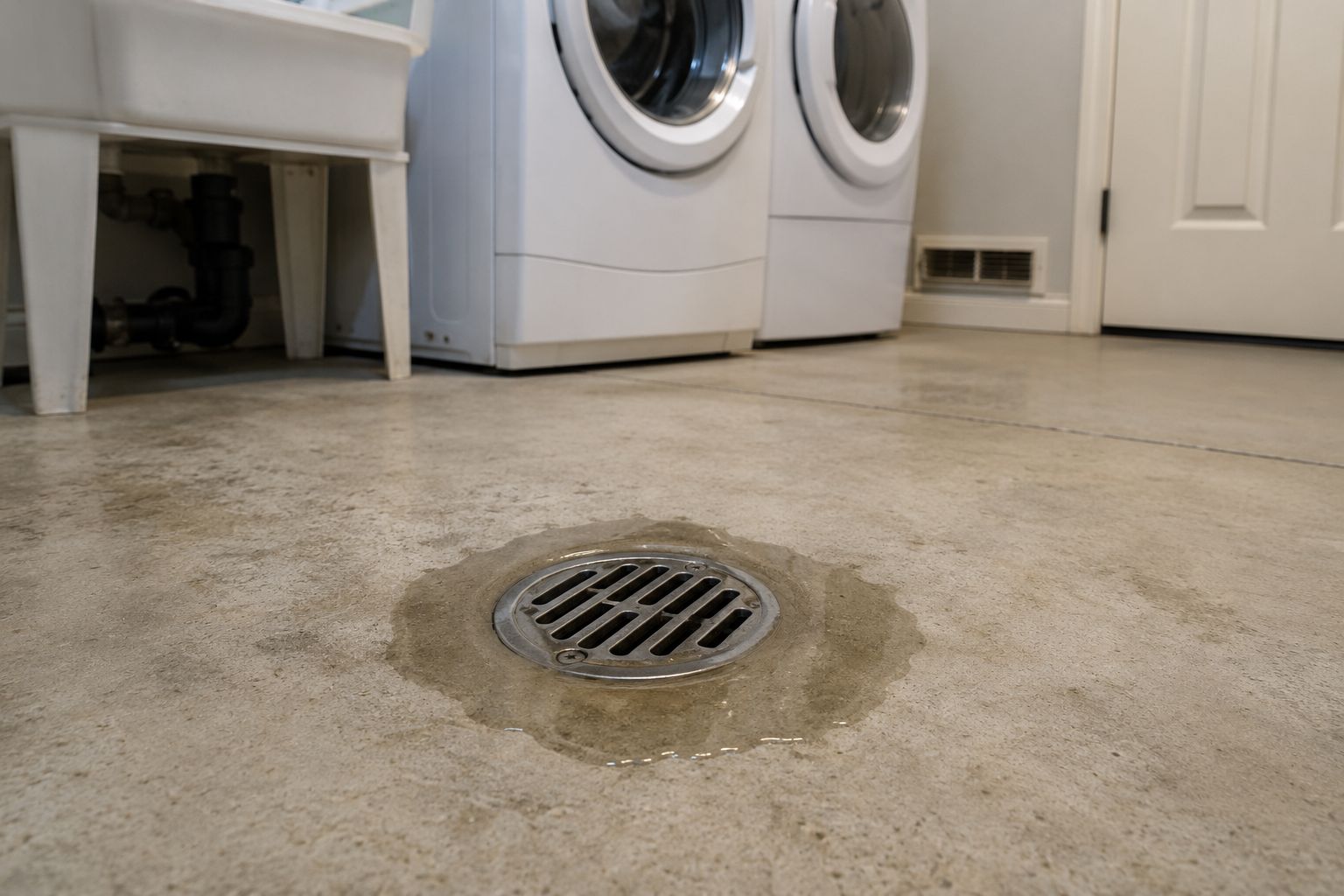
Water damage is one of the most disruptive and expensive problems a homeowner can face. Burst pipes, slow leaks behind walls, and malfunctioning appliances can go undetected for days, causing structural damage that affects everything from flooring to foundation. As homes become more connected and homeowners look for smarter ways to protect their investments, the smart water shutoff valve has emerged as one of the most practical additions to a modern plumbing system.
Unlike a standard manual shutoff, a smart valve gives you real-time visibility into your home's water use and the ability to stop flow remotely through an app on your phone. Whether you are a first-time buyer or managing a property you leave vacant for weeks at a time, this technology addresses a genuine vulnerability that traditional plumbing cannot. This guide walks you through everything you should expect during and after installation, from choosing the right device to understanding how it changes your relationship with your home's plumbing.
How Smart Water Shutoff Valves Actually Work
The Core Mechanism
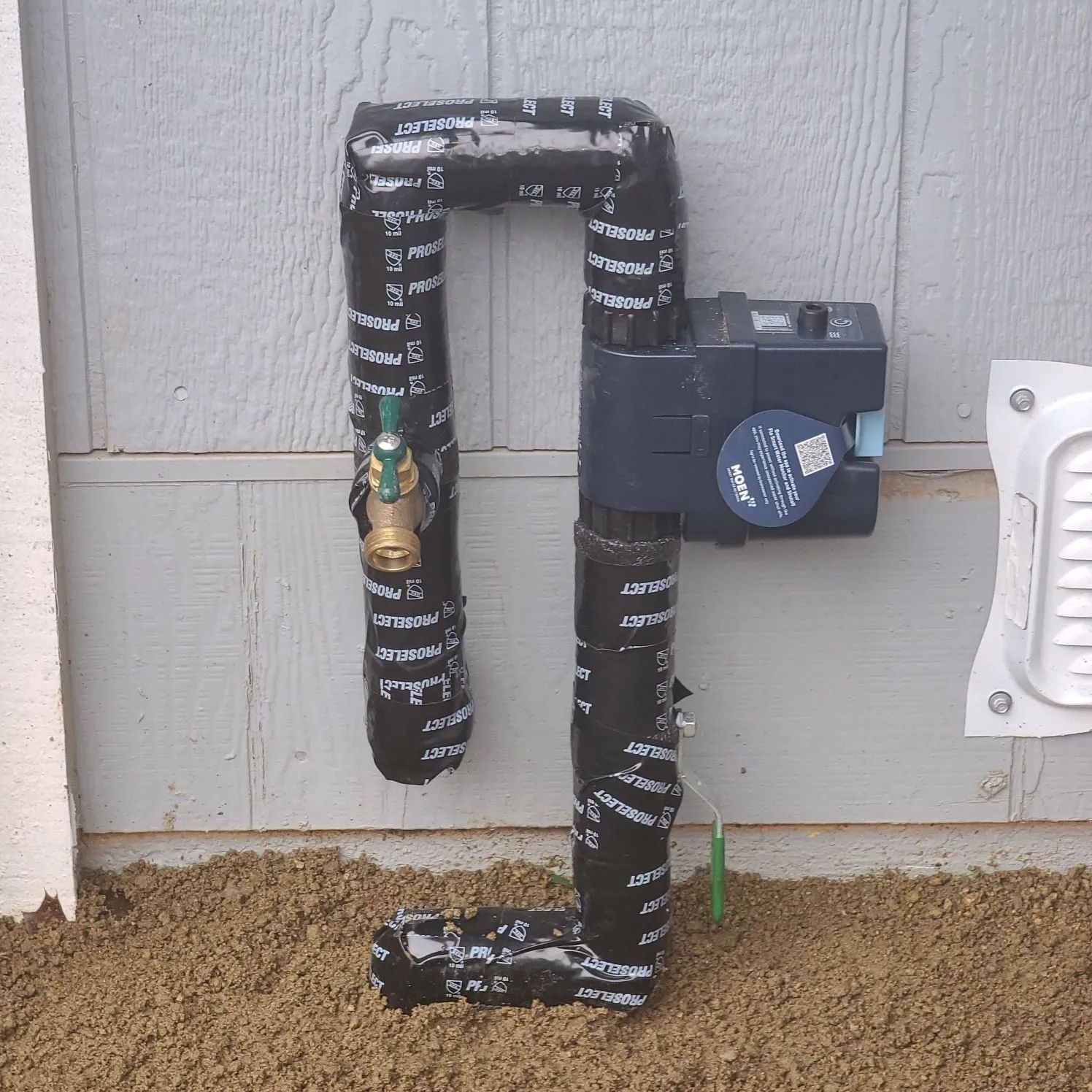
A smart water shutoff valve is installed at or near your main water supply line, giving it control over all water entering your home. The device combines a motorized ball valve with a suite of sensors that monitor flow rate, pressure, and temperature. When readings fall outside preset parameters, the valve can shut off automatically or send an alert to your phone.
Most systems use Wi-Fi or Z-Wave to communicate with a companion app. From that app, you can see real-time flow data, review historical usage patterns, set custom alerts, and manually open or close the valve from anywhere with an internet connection.
What the Sensors Detect
| Sensor Type | What It Monitors | Why It Matters |
|---|---|---|
| Flow rate sensor | Gallons per minute moving through the pipe | Identifies abnormal usage suggesting a leak or running appliance |
| Pressure sensor | PSI in the supply line | High pressure can damage pipes and appliances over time |
| Temperature sensor | Ambient pipe temperature | Early warning for freezing conditions that precede pipe bursts |
| Micro-leak detection | Slow drips too small to notice visually | Catches slab leaks, pinhole leaks, and dripping fixtures early |
Leading models such as Flo by Moen, Phyn Plus, and Guardian by Elexa each approach detection somewhat differently, but all share this basic sensor-plus-valve architecture.
What the Installation Process Looks Like
Before the Plumber Arrives
Installation requires a licensed plumber in most cases, and for good reason. The work involves cutting into your main water supply line, which means the water to your entire home must be shut off during the job. Before scheduling the work, identify where your main shutoff is located and confirm the pipe diameter, as most smart valves are designed for half-inch, three-quarter-inch, or one-inch lines.
You will also want to check whether your home's Wi-Fi signal reaches the installation point, typically near the water meter or where the main line enters the house. A weak signal at that location may require a Wi-Fi extender before installation.
What Happens During the Job
A typical installation follows this sequence:
- Water is shut off at the main supply and the line is drained.
- The plumber cuts a section of pipe to accommodate the valve body.
- The valve is secured using either compression fittings, push-to-connect fittings, or soldered connections depending on pipe material and the specific device.
- Water is restored and the system is tested for leaks at the fittings.
- The device is powered up, connected to Wi-Fi, and paired with the app.
- The plumber runs a flow health test so the system can establish a baseline for your household's normal usage patterns.
The entire process typically takes two to four hours for a standard installation on an accessible line. Older homes with galvanized pipe or unusual configurations may take longer.
After Installation: The Learning Period
Most smart shutoff systems spend their first several days in a learning mode. During this window, the device observes your household's water use, including when showers run, when the irrigation system activates, and how long the dishwasher cycles. This baseline is what the system uses to identify anomalies later, so running your home normally during this period leads to more accurate alerts.
What Changes After the Valve Is Installed
Real-Time Awareness of Water Use
One of the more immediate changes homeowners notice is how visible water use becomes. The app breaks down consumption by fixture in some systems, showing you how many gallons the laundry room used versus the kitchen versus outdoor irrigation. For households trying to reduce water use or identify a fixture that is running longer than expected, this level of detail is genuinely useful.
Automated Protection When You Are Away
For vacation homes, rental properties, or households that travel frequently, the away mode feature addresses a real gap that standard plumbing cannot fill. When activated, the valve applies tighter flow thresholds and will shut off automatically if water runs for longer than a preset interval, say twenty minutes, without a known source like a scheduled irrigation run.
Integration With Smart Home Systems
Most major smart shutoff valves integrate with Amazon Alexa, Google Home, and Apple HomeKit. They can also connect with other sensors in your home. Pairing the shutoff valve with a water leak detector placed under the water heater or washing machine creates a layered system where the detector triggers the valve before water spreads.
Common Challenges and How to Handle Them
False Alerts
The most frequent complaint during the first few weeks is receiving alerts for normal activities that the system has not yet learned to recognize. A long soak in a bathtub, a contractor running a hose, or filling a pool can all look like anomalies. Most systems allow you to dismiss alerts and mark events as normal, which trains the algorithm over time.
Pipe Compatibility
Smart valves are designed for copper, PEX, and CPVC pipe. Homes with galvanized steel pipe may require a short section of pipe replacement before the valve can be installed cleanly. Your plumber will identify this during assessment.
Power and Connectivity Dependency
Smart shutoff valves require a continuous power source, usually a standard electrical outlet, and an active Wi-Fi connection to function remotely. In a power outage, most valves default to their last position, meaning they stay open if they were open. Battery backup units are available for some models and are worth considering in areas prone to outages.
Maintenance and Long-Term Expectations
- Annual Valve Exercise
Motorized ball valves can seize if left in one position for extended periods. Most smart shutoff apps include an automatic valve exercise routine that cycles the valve open and closed periodically to keep the mechanism moving freely. If your system does not do this automatically, manually cycling the valve once a month is good practice.
- Firmware Updates
Like any connected device, smart shutoff valves receive firmware updates that improve detection accuracy, fix connectivity bugs, and occasionally add new features. Keeping the firmware current is one of the simplest maintenance steps and requires no physical access to the valve itself.
- When to Call a Plumber
If the valve fails to open or close on command, produces an error code in the app, or develops a visible drip at the fittings, contact a plumber rather than attempting to service the unit yourself. The valve sits on your main supply line, and an error there affects every fixture in the home.
Dependable Service From Plumbers Who Know Water Systems
Installing a smart water shutoff valve is a structural improvement to how your home manages one of its most essential resources. The combination of real-time monitoring, remote control, and automated detection addresses gaps that traditional plumbing leaves open, particularly for homes that sit unoccupied or have aging supply lines. Understanding the installation process, the learning period, and the ongoing maintenance requirements sets realistic expectations and helps you get full value from the technology.
At
Quality Plumbing & Drain Services, we have been serving homeowners in Cameron Park, California for 12 years, and smart shutoff valve installation has become one of the most requested additions we handle. We assess your home's pipe configuration, confirm compatibility with your preferred device, and complete the installation with fittings and connections that hold over time. Once the valve is live, we walk you through the app setup and make sure the system is calibrated to your household's actual usage before we leave. Whether you are preparing a property for extended travel, adding a layer of protection to an older home, or simply want more visibility into your water use, we have the experience and equipment to do the job right. Reach out to us to schedule your installation assessment in Cameron Park.
Frequently Asked Questions
1. Does a smart water shutoff valve work without Wi-Fi?
The valve will still open and close manually or through its motorized function during a Wi-Fi outage, but remote control and automatic alerts require an active internet connection to reach your phone.
2. Can I install a smart shutoff valve myself?
The device manufacturers often list DIY installation as possible, but the job involves cutting into your main supply line. A licensed plumber ensures the fittings are secure, the line is properly drained, and the system is tested before you rely on it.
3. Will the valve interrupt water flow during normal use?
No. Once the learning period is complete and your usage patterns are established, the system distinguishes normal household activity from genuine anomalies and does not shut off water during regular use.
4. How long does a smart shutoff valve last?
Quality motorized ball valves are rated for hundreds of thousands of cycles. With proper maintenance and firmware updates, most devices are designed for a service life of ten or more years under typical residential use.
5. What happens if the power goes out?
Most smart shutoff valves default to holding their last position during a power outage. If the valve was open when power was lost, it stays open. Models with battery backup maintain remote functionality during short outages.