Don’t Wait Until It Bursts: Sewer Replacement Tips
March 23, 2026
Sewer lines are an unseen backbone of any property, quietly carrying away wastewater and maintaining the hygiene and functionality of homes and businesses. Despite their importance, these critical systems are often neglected until problems become urgent. Slow drains, recurring backups, foul odors, and damp patches in yards may seem like minor inconveniences at first, but they can signal the early stages of sewer line deterioration. Understanding the signs of potential failure and taking proactive steps to address them is crucial for preventing costly and disruptive emergencies. Sewer replacement, while significant in scope, is far preferable to dealing with the aftermath of a sudden pipe collapse.
Proactive sewer maintenance and timely replacement can save property owners considerable stress, expense, and damage. By educating oneself on modern replacement methods, materials, and best practices, property owners can make informed decisions before minor issues escalate into major problems. This guide provides actionable insights, expert advice, and practical tips for navigating the sewer replacement process, ensuring long-term reliability and peace of mind. Whether you are a homeowner or a property manager, knowing when and how to replace your sewer system is essential to safeguarding your property and maintaining uninterrupted water flow.
Recognizing the Early Warning Signs of Sewer Damage
Slow Drains and Frequent Clogs
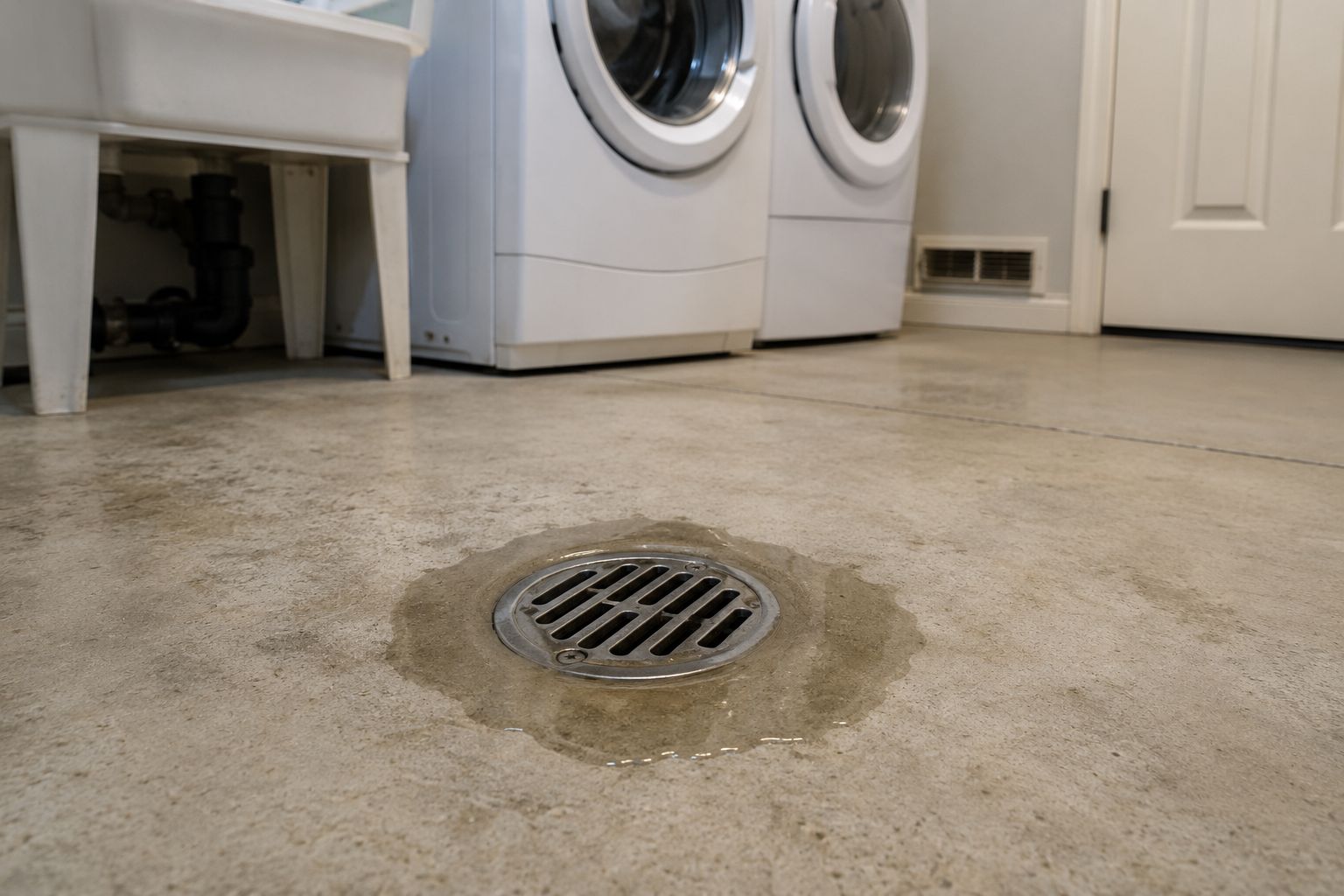
Persistent slow drains or recurring clogs are among the earliest indicators that a sewer line may be compromised. Hair, grease, and everyday debris can accumulate, but if multiple fixtures are affected simultaneously, it may point to a deeper blockage or pipe deterioration. Ignoring these signs can lead to more severe backups that damage flooring, appliances, and walls.
Unpleasant Odors and Standing Water
A foul smell emanating from drains, toilets, or even the yard often signals leaks or cracks in underground sewer pipaes. Similarly, unexplained puddles or overly soggy areas in your yard can indicate that wastewater is escaping before reaching the municipal sewer. These symptoms not only disrupt daily life but also pose health hazards due to bacteria and pathogens present in sewage.
Structural Shifts and Pipe Breakage
Older homes are particularly prone to shifting soil that can stress pipes, leading to cracks or total collapse. Unusual dips in the yard, cracks in concrete slabs, or uneven flooring inside the home may be subtle signs that the sewer system beneath has been compromised. Timely inspection can prevent a minor crack from escalating into a full-blown rupture.
Modern Sewer Replacement Methods
Traditional Excavation
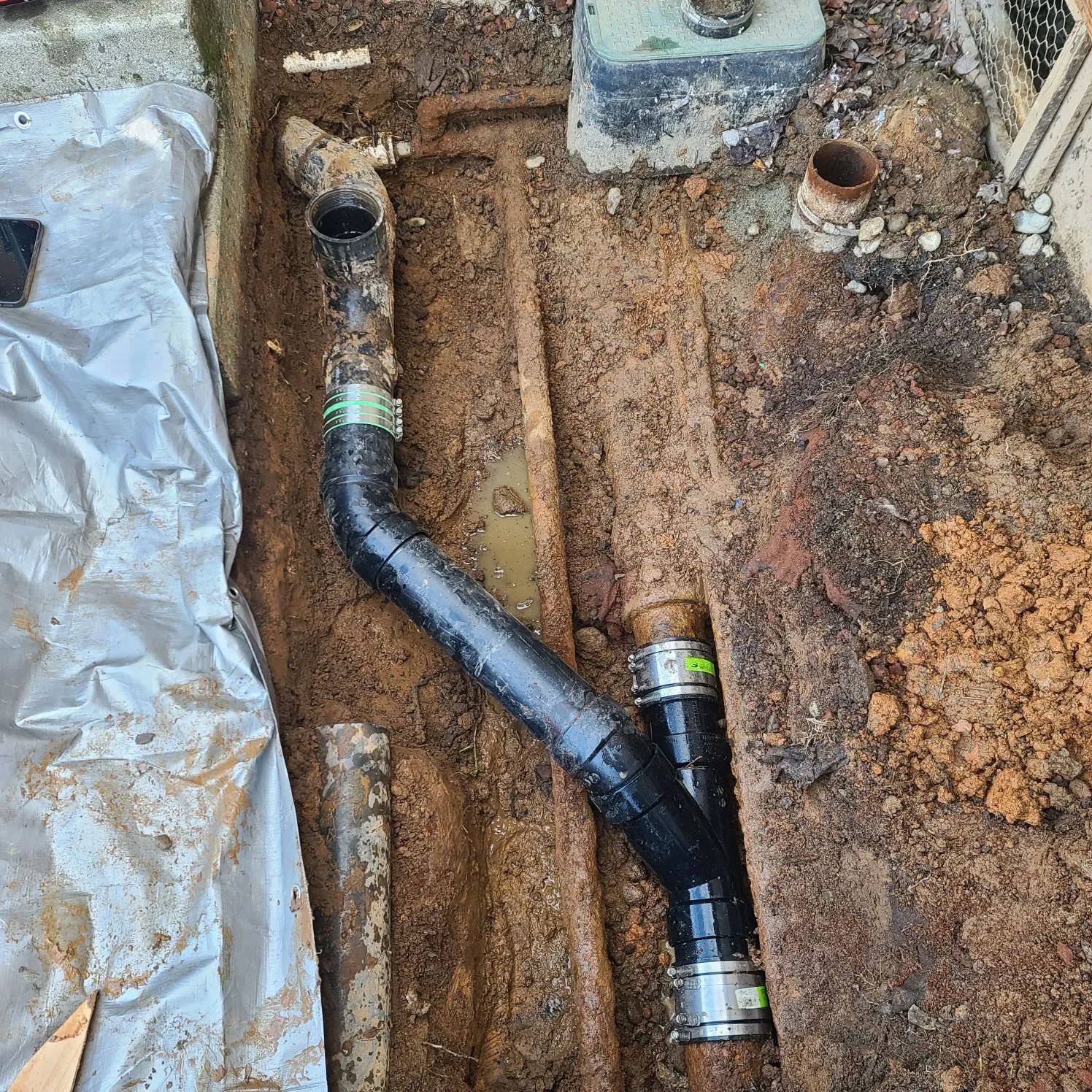
The conventional method of replacing sewer lines involves excavation, where the old pipe is dug out and a new line is installed. While highly effective, this method can be disruptive, requiring significant yard work and temporary removal of landscaping or driveways. It’s ideal for situations where pipe damage is extensive or the soil conditions are stable and accessible.
Trenchless Technology
Trenchless sewer replacement has revolutionized the industry by minimizing disruption. Methods such as pipe bursting and pipe lining allow the old pipe to be replaced or reinforced without extensive digging. Pipe bursting involves breaking the existing pipe and simultaneously pulling a new pipe into place. Pipe lining uses an epoxy-coated liner inserted into the damaged pipe, creating a new, seamless interior surface. These techniques reduce cleanup, preserve landscaping, and often shorten project timelines.
Comparative Considerations
Choosing between traditional excavation and trenchless methods depends on factors such as budget, pipe condition, property layout, and long-term goals. While trenchless solutions typically cost more upfront, they save money by avoiding property restoration expenses and minimizing downtime. Conversely, excavation may be necessary for severely damaged lines or when trenchless methods are not feasible due to pipe material or location constraints.
Choosing the Right Materials for Sewer Lines
PVC and ABS Piping
Polyvinyl chloride (PVC) and acrylonitrile butadiene styrene (ABS) pipes are popular choices for modern sewer systems due to their durability, resistance to corrosion, and smooth interior surfaces that reduce blockages. PVC is widely favored for its longevity and chemical resistance, while ABS offers strength and rigidity suitable for certain structural demands.
Cast Iron Pipes
Cast iron remains a reliable option, particularly in older neighborhoods where it is already installed. Though highly durable and noise-reducing, cast iron can corrode over decades, leading to leaks or structural failure. When replacing cast iron lines, consider modern alternatives or a hybrid approach that combines durability with ease of maintenance.
HDPE and Trenchless-Friendly Materials
High-density polyethylene (HDPE) pipes are especially suited for trenchless installation. They are flexible, resistant to root intrusion, and capable of withstanding shifting soils. HDPE’s longevity and adaptability make it a preferred choice for pipe bursting and lining applications.
Material Selection Considerations
Material choice should align with local building codes, soil conditions, water chemistry, and expected usage. Consulting a professional can ensure that your sewer line replacement not only resolves current issues but also prevents future problems. Proper material selection is an investment in long-term performance and reduced maintenance costs.
Navigating the Replacement Process
Inspection and Assessment
Before any replacement work begins, a thorough inspection using modern diagnostic tools like CCTV cameras is critical. These cameras provide a visual assessment of pipe integrity, identifying blockages, cracks, or collapsed sections. Comprehensive inspection ensures accurate planning and prevents unnecessary work.
Permits and Regulations
Sewer replacement often requires permits from local municipalities, especially when connecting to public sewer systems. Understanding local building codes, excavation rules, and environmental requirements is essential to avoid fines, delays, or rework.
Scheduling and Planning
Replacement projects should be carefully scheduled to minimize disruption to daily routines. Planning includes arranging temporary water solutions, coordinating with contractors, and preparing the property for access. Proper planning ensures efficiency, reduces stress, and maintains project timelines.
Cost Management and Budgeting
Sewer replacement costs vary based on method, pipe material, length, and complexity of the job. Obtaining multiple quotes and understanding the breakdown of labor, materials, and ancillary costs is crucial. Consider long-term savings when comparing traditional excavation versus trenchless solutions, as reduced restoration costs and minimal disruption often offset higher initial expenses.
Preventing Future Sewer Issues
Water Softeners vs. Filtration
Regular Maintenance Practices
Routine maintenance, such as annual inspections, root removal, and minor cleanouts, can extend the life of your sewer system. Preventive care helps identify small issues before they escalate, saving money and avoiding property damage.
Proper Use and Waste Management
Avoid flushing inappropriate items, pouring grease down drains, or overloading plumbing systems. Educating household members or tenants about proper sewer use can significantly reduce the risk of blockages and damage.
Landscaping and Root Management
Tree roots are a common cause of sewer damage. Strategic landscaping and root barriers can prevent roots from infiltrating pipes. Choosing non-invasive plant species and monitoring existing tree growth around sewer lines is a practical preventative measure.
Upgrading to Modern Technology
For properties with aging infrastructure, upgrading to corrosion-resistant or trenchless-compatible materials ensures long-term reliability. Modern technologies, such as self-cleaning or flexible piping systems, can reduce maintenance frequency and prevent emergency replacements.
Working with Professionals for Optimal Results
Selecting Experienced Contractors
A skilled plumbing contractor brings expertise in assessment, material selection, and installation techniques. Professional guidance ensures that sewer replacement is performed safely, efficiently, and in compliance with regulations.
Importance of Warranties and Guarantees
Reputable professionals provide warranties on both materials and labor. Understanding the scope of coverage protects property owners from unexpected failures and adds assurance that the replacement is built to last.
Clear Communication and Project Oversight
Maintaining open lines of communication throughout the project ensures expectations are met. Discuss timelines, potential challenges, and post-installation care to avoid surprises. A proactive, transparent approach fosters confidence and reduces stress
Post-Replacement Inspection
After replacement, a follow-up inspection verifies that the new sewer line functions properly and that all connections meet regulatory and quality standards. This final step ensures peace of mind and confirms a successful investment.
Quality Plumbing Experts Ensuring Long-Term Sewer Reliability
Sewer line replacement is a critical aspect of property maintenance that demands proactive attention. Recognizing warning signs, choosing the right materials and methods, and understanding the replacement process can prevent costly emergencies and preserve the integrity of your property. Regular maintenance, mindful use of plumbing systems, and professional guidance are key strategies for ensuring long-term functionality and reliability. By addressing sewer issues before they escalate, property owners can safeguard against disruptions, structural damage, and potential health hazards.
At Quality Plumbing & Drain Services
located in Cameron Park, California, we bring over
12years of experience in helping homeowners and property managers tackle sewer system challenges with confidence. Our team provides comprehensive inspections, modern replacement techniques, and durable material solutions tailored to each property’s needs. From initial assessment to final inspection, we deliver expert guidance, transparent communication, and reliable results. Choosing us means partnering with a trusted plumbing authority committed to safeguarding your property and ensuring seamless, long-lasting sewer performance. Your investment is protected, your home stays secure, and your peace of mind is our top priority.