Do Water Filters Remove Lead, Chlorine, and Hard Minerals?
February 18, 2026
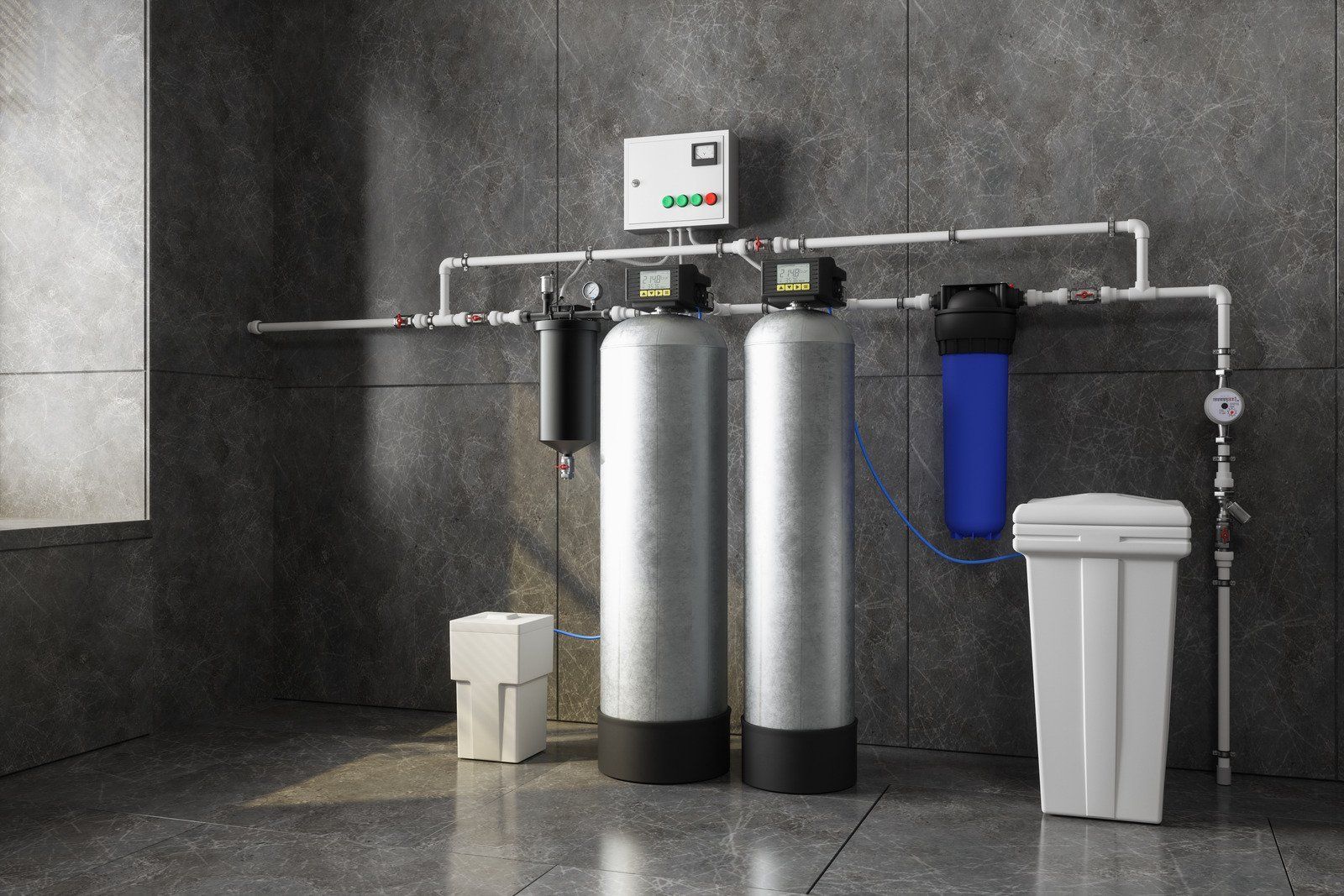
Clean, safe water is one of the most essential components of a healthy lifestyle, yet modern households face a growing challenge in ensuring their tap water is free from harmful contaminants. From trace metals to chemical residues, the quality of municipal and well water can vary significantly, often leaving homeowners uncertain about what exactly is in their drinking water. Among the most concerning elements commonly found in water are lead, chlorine, and hard minerals, each of which can pose unique health and household risks. Understanding how these contaminants interact with standard water systems and what filtration technologies can mitigate their effects is critical for informed decision-making.
Water filtration has become a focal point for both residential and commercial users seeking safe, clean water. However, not all filters are created equal, and the question arises: can a single water filter effectively remove lead, chlorine, and hard minerals simultaneously? To answer this, it is important to explore the science behind filtration, understand the capabilities and limitations of different filter types, and examine real-world scenarios where water quality is compromised. By evaluating these factors, homeowners and facility managers can make confident choices that protect both health and property, ensuring the water they consume is as pure as it should be.
1. Understanding Common Water Contaminants
Lead in Drinking Water
Sources and Risks
Lead contamination in water is a significant public health concern. Primarily, lead enters drinking water through aging pipes, solder joints, and fixtures that contain lead. Even small amounts of lead exposure can lead to serious health consequences, particularly for children and pregnant women, including developmental delays, cognitive impairments, and kidney issues. Adults exposed to lead may experience high blood pressure, joint pain, and reproductive problems.
Detection and Regulation
The Environmental Protection Agency (EPA) sets strict guidelines for lead levels in drinking water, emphasizing that there is no safe level of lead exposure. Regular testing is essential for households with older plumbing systems. While lead is invisible to the naked eye and has no taste or odor, certified water tests can accurately detect even trace amounts.
Chlorine and Its Effects
Purpose and Presence
Chlorine is widely used as a disinfectant in municipal water systems to kill harmful bacteria and prevent waterborne diseases. While chlorine effectively ensures microbiological safety, it can also introduce undesirable taste and odor into tap water. Prolonged exposure to chlorine may irritate the skin, eyes, and respiratory system, and certain byproducts formed during chlorination, such as trihalomethanes, have been linked to long-term health concerns.
Challenges in Filtration
Unlike particulate contaminants, chlorine is a dissolved chemical compound, which requires specific filtration technologies, such as activated carbon, to remove effectively. Understanding the chemical nature of chlorine is key to selecting the right filtration system that both ensures safety and improves taste.
Hard Minerals in Water
Composition and Sources
Hard water contains elevated levels of calcium, magnesium, and sometimes iron. While not inherently dangerous to human health, hard minerals can cause aesthetic and operational issues, including scale buildup in pipes, reduced appliance efficiency, and soap scum on surfaces. Over time, hard water can shorten the lifespan of water heaters, dishwashers, and plumbing infrastructure.
Implications for Homeowners
For homeowners, hard water is more than an inconvenience; it represents ongoing maintenance costs and potential damage. Effective removal of hard minerals typically requires water softening or specialized filtration techniques, which differ from methods used to remove heavy metals or chlorine.
2. How Water Filters Work
Filtration Mechanisms
Mechanical Filtration
Mechanical filters use a physical barrier, such as a fine mesh or ceramic, to remove sediments and particulate matter. While these filters are effective against visible debris, they generally cannot remove dissolved substances such as lead ions or chlorine without additional media.
Activated Carbon Filtration
Activated carbon is one of the most common filter media for improving water taste and quality. It works through adsorption, binding chemicals like chlorine and volatile organic compounds to its surface. Activated carbon filters are highly effective at removing chlorine, reducing odor, and improving water flavor, making them a staple in many household water filter systems.
Ion Exchange Filtration
Ion exchange filters are particularly effective for removing hard minerals from water. By exchanging calcium and magnesium ions with sodium or potassium ions, these filters prevent scale buildup and soften water. Some advanced systems combine ion exchange with other filtration methods to simultaneously address multiple contaminants.
Reverse Osmosis (RO)
Reverse osmosis systems use a semi-permeable membrane to remove a wide range of impurities, including lead, chlorine, and dissolved minerals. RO filtration is highly effective, though it requires regular maintenance and may generate wastewater in the process. Many households combine RO with pre-filters and carbon post-filters to achieve comprehensive water purification.
3.Removing Lead from Water
Filter Types for Lead Removal
Activated Carbon Filters
Certain activated carbon filters are certified to remove lead. These filters typically combine granular activated carbon with additional technologies to capture lead ions effectively.
Reverse Osmosis Systems
RO systems are among the most reliable solutions for lead removal. By forcing water through a membrane, RO filters physically remove lead particles along with other dissolved metals. These systems are particularly useful in areas with aging infrastructure where lead contamination is more likely.
Point-of-Use vs. Whole-House Systems
Point-of-use filters, such as countertop or under-sink units, are convenient for drinking and cooking water but may not address water used in showers or laundry. Whole-house filtration systems provide broader protection, ensuring that all water entering the home is treated.
Maintenance and Best Practices
Regular replacement of filter cartridges is critical for effective lead removal. Filters that are overdue for replacement can become less efficient or even release trapped contaminants back into the water. Homeowners should follow manufacturer guidelines and conduct periodic water testing to ensure continued safety.
4. Eliminating Chlorine and Improving Taste
How Chlorine is Filtered
Activated Carbon Adsorption
Activated carbon filters excel at chlorine removal due to their high surface area, which allows them to adsorb chlorine molecules effectively. Granular activated carbon (GAC) filters are commonly used in both pitcher-style filters and more permanent under-sink installations.
Catalytic Carbon
Catalytic carbon takes chlorine removal further by facilitating chemical reactions that neutralize chlorine and chloramine, another disinfectant used in some municipal water systems. This technology is especially valuable in improving water taste and odor.
Benefits Beyond Safety
Reducing chlorine in water not only enhances taste but also protects household plumbing and appliances. Chlorine is corrosive and can degrade rubber seals, metal pipes, and fixtures over time. By removing chlorine, filtration extends the lifespan of home infrastructure while providing a more enjoyable drinking experience.
5. Addressing Hard Minerals in Water
Water Softeners vs. Filtration
Ion Exchange Systems
As mentioned, ion exchange is the standard method for softening water. These systems replace calcium and magnesium ions with sodium or potassium, reducing scale formation and protecting appliances.
Magnetic and Electronic Softeners
Alternative technologies, such as magnetic or electronic water conditioners, claim to alter mineral structure to prevent scale buildup. While results vary, these systems may offer a low-maintenance solution in areas with moderate hardness levels.
Real-World Considerations
Hard water can affect daily routines and home maintenance. Soap may not lather effectively, water spots may appear on glassware, and buildup can compromise appliance efficiency. Combining softening systems with filtration that removes lead and chlorine ensures comprehensive water quality management, protecting both health and home.
6. Combining Filtration for Comprehensive Protection
Multi-Stage Filtration Systems
Integration of Technologies
Modern water treatment solutions often combine multiple filtration methods into a single system. A typical multi-stage setup may include sediment pre-filters, activated carbon for chlorine and taste, reverse osmosis membranes for lead and other metals, and ion exchange units for hardness.
Advantages
Multi-stage systems provide the convenience of comprehensive protection without requiring multiple standalone units. Users benefit from safer, better-tasting, and softer water, reducing health risks and household maintenance issues simultaneously.
Considerations for Choosing a System
When selecting a filtration system, homeowners should consider:
- Water Quality Testing: Determine the specific contaminants present.
- Capacity and Flow Rate: Ensure the system meets household water usage demands.
- Maintenance Requirements: Evaluate ease of filter replacement and long-term cost.
- Certification: Look for NSF/ANSI certifications that confirm removal capabilities for lead, chlorine, and minerals.
By understanding water composition and filtration technology, homeowners can choose systems tailored to their needs, ensuring effective contaminant removal.
Trusted Professionals Offering Complete Water Quality Solutions
Water quality directly impacts both health and household functionality. Lead, chlorine, and hard minerals are common contaminants that, if left unaddressed, can pose serious health risks, compromise taste, and damage plumbing systems. Understanding the specific properties of each contaminant and the appropriate filtration technologies—such as activated carbon, ion exchange, and reverse osmosis—is essential for effective water treatment. Multi-stage filtration systems offer a comprehensive approach, combining different technologies to ensure safer, better-tasting, and softer water.
At Quality Plumbing & Drain Services, we bring over 12
years of experience serving residents of Cameron Park, California. Our team is dedicated to providing expert guidance on water filtration, ensuring every household has access to clean, safe water. Whether evaluating water quality, recommending multi-stage systems, or performing maintenance, we combine technical expertise with professional reliability. With our proven track record, clients can trust that their water filtration needs are handled efficiently, safely, and with a commitment to long-term quality and health.