Trenchless Sewer Repair vs. Full Line Replacement: What Homeowners Need to Know Before Deciding
May 31, 2026
Sewer line problems can quickly disrupt daily life and create serious concerns for homeowners dealing with slow drains, recurring backups, foul odors, or damaged underground pipes. Aging infrastructure, tree root intrusion, shifting soil, corrosion, and years of wear can all contribute to sewer line failure beneath residential properties. When these issues appear, homeowners often face an important decision between trenchless sewer repair and full sewer line replacement. Both options address underground pipe damage, but the methods, costs, timelines, and long-term outcomes can vary significantly depending on the condition of the existing sewer system. Understanding these differences helps property owners make informed decisions that protect both the home and the surrounding landscape.
Modern plumbing technology has changed how sewer repairs are performed across residential properties. Traditional excavation once required large trenches across yards, driveways, sidewalks, and landscaping to access damaged sewer pipes. Today, trenchless sewer repair offers less invasive alternatives that minimize property disruption while restoring pipe functionality. However, trenchless methods are not always the right solution for every situation. Factors such as pipe collapse, severe deterioration, local regulations, soil conditions, and long-term property goals all influence which repair strategy makes the most sense for a homeowner before work begins.
Understanding the Difference Between Trenchless Repair and Full Replacement
What Is Trenchless Sewer Repair?
Trenchless sewer repair refers to modern repair techniques that restore or replace damaged underground sewer pipes with minimal excavation. Instead of digging long trenches across the property, plumbers access the sewer system through small entry points. Common trenchless methods include pipe lining and pipe bursting.
Pipe lining, also called cured-in-place pipe lining, involves inserting a flexible resin-coated liner into the damaged pipe. Once positioned, the liner hardens and forms a new pipe within the old one. This method works well when the existing pipe structure remains mostly intact.
Pipe bursting replaces the damaged sewer line by pulling a new pipe through the old one while simultaneously breaking apart the original pipe underground. This process typically requires only small access holes at each end of the sewer line.
These methods reduce excavation damage while restoring sewer performance without removing large sections of landscaping or hardscaping.
What Is Full Sewer Line Replacement?
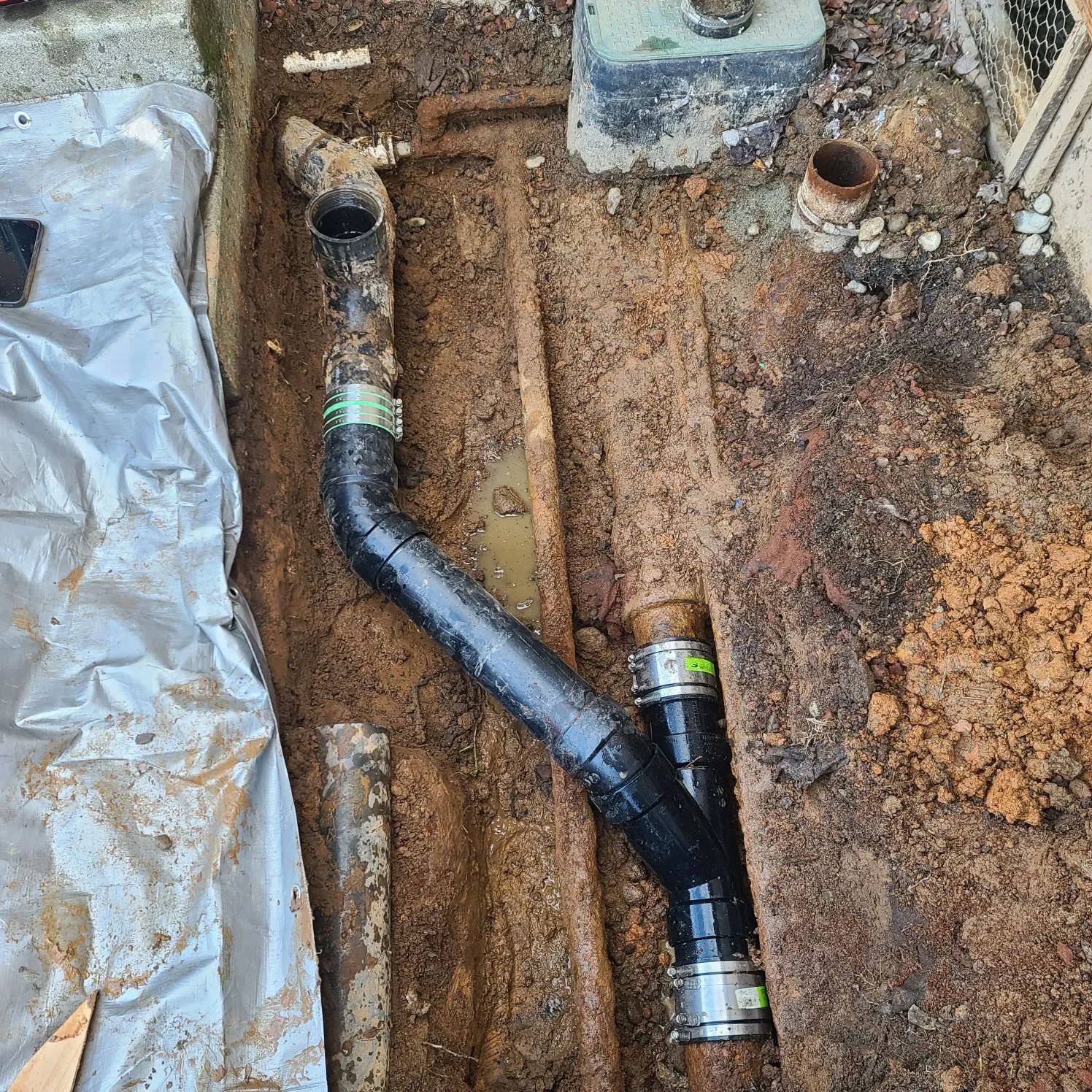
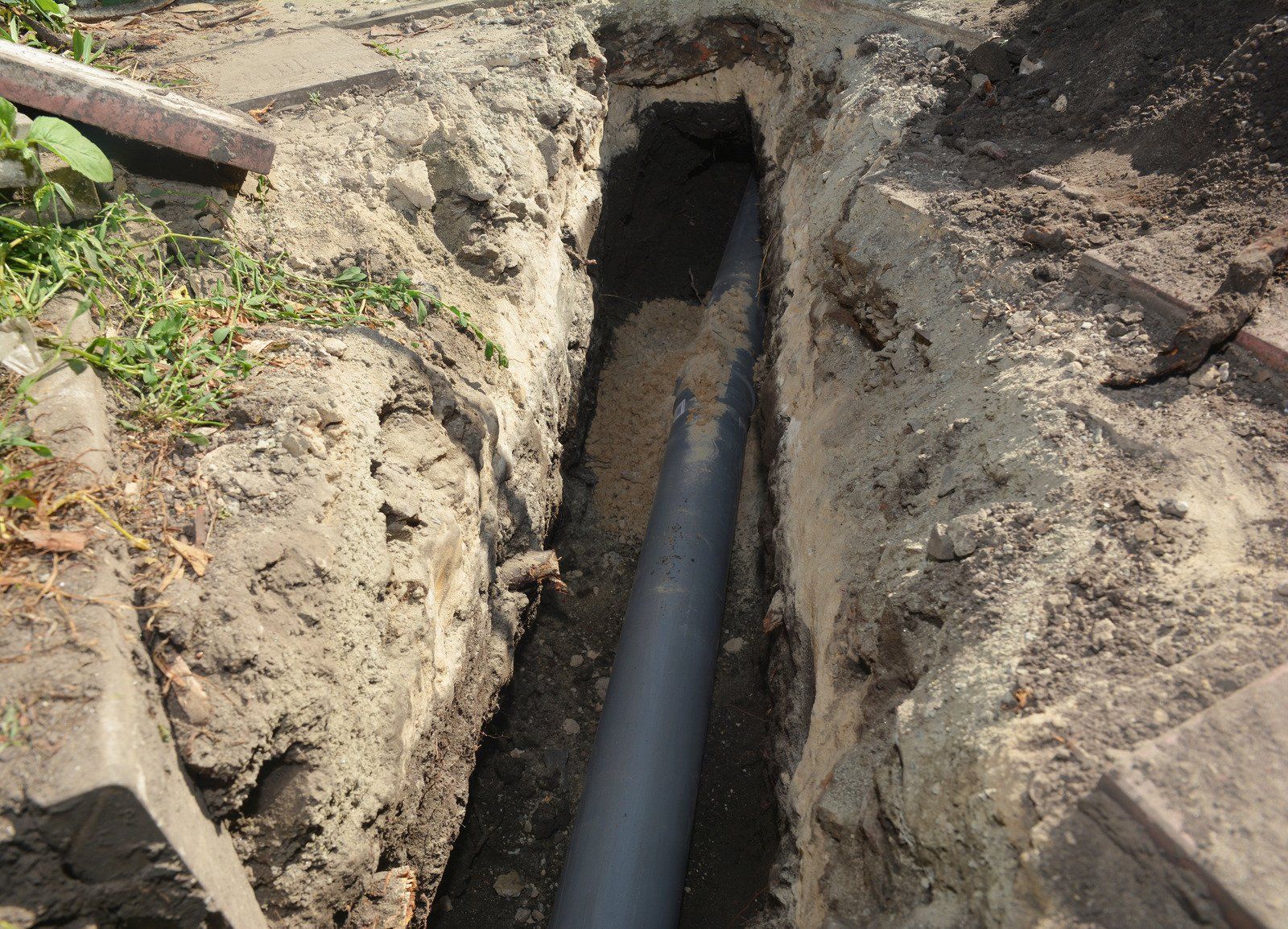
Full sewer line replacement involves excavating the damaged sewer pipe entirely and installing a completely new line. This traditional approach requires trench digging across the affected area to expose the sewer system directly.
Excavation may extend through lawns, driveways, patios, sidewalks, or landscaped areas depending on pipe location. Once exposed, damaged sections are removed and replaced with modern piping materials designed for long-term durability.
Full replacement becomes necessary when pipes have collapsed, shifted extensively, suffered severe corrosion, or no longer support trenchless restoration methods. While excavation creates more disruption, it also allows plumbers to inspect surrounding soil conditions, identify additional underground issues, and fully rebuild the sewer infrastructure when needed.
Key Factors Homeowners Should Evaluate Before Choosing
Age and Material of Existing Pipes
The age and material of a sewer line strongly influence whether trenchless repair is a practical option. Older homes may contain clay pipes, cast iron pipes, Orangeburg pipes, or outdated materials prone to cracking and deterioration.
Clay pipes often experience root intrusion through separated joints. Cast iron pipes can corrode internally over time, reducing flow capacity and weakening structural integrity. Orangeburg pipes, commonly installed decades ago, may deform and collapse under soil pressure.
If the existing pipe still maintains structural stability, trenchless lining may provide an effective restoration option. However, severely deteriorated materials may not support pipe lining or bursting procedures safely. In those cases, full replacement becomes the more reliable long-term solution.
Severity of Sewer Damage
The extent of pipe damage plays a major role in determining repair eligibility. Minor cracks, leaks, isolated root intrusion, and moderate corrosion often qualify for trenchless solutions.
However, certain conditions usually require complete excavation and replacement, including:
Complete Pipe Collapse
Collapsed sewer sections block wastewater flow entirely and often prevent trenchless equipment from passing through the line.
Extreme Pipe Offsets
When pipe sections separate significantly due to shifting soil or ground movement, alignment issues may prevent trenchless restoration.
Extensive Bellies or Sagging
Pipes that sag and collect standing wastewater may continue experiencing drainage problems even after lining procedures.
Professional sewer camera inspections help identify these issues before repair decisions are made.
Property Layout and Accessibility
The location of the sewer line also affects which repair method makes sense. Properties with extensive landscaping, mature trees, decorative concrete, retaining walls, or expensive hardscaping often benefit from trenchless techniques because they reduce surface disruption.
For example, homeowners with recently installed driveways or outdoor living spaces may prefer trenchless repair to avoid costly reconstruction afterward.
On the other hand, properties with limited access points, steep terrain, or unstable soil conditions may create challenges for trenchless equipment installation. In some situations, traditional excavation offers better access and safer working conditions.
Advantages and Limitations of Trenchless Sewer Repair
Benefits of Trenchless Methods
Trenchless sewer repair continues gaining popularity because it offers several practical advantages for homeowners.
Reduced Property Damage
One of the biggest benefits is preserving landscaping and exterior surfaces. Minimal digging helps protect lawns, gardens, sidewalks, patios, and driveways from major excavation damage.
Faster Project Completion
Many trenchless projects can be completed within one or two days depending on pipe length and damage severity. Faster completion reduces inconvenience for homeowners.
Lower Restoration Costs
Because less excavation occurs, homeowners often spend less money restoring landscaping and hardscaping after repairs are finished.
Improved Pipe Durability
Modern trenchless materials resist corrosion, root intrusion, and leaks better than many older pipe materials. Properly installed liners can last for decades under normal conditions.
Limitations Homeowners Should Understand
Although trenchless repair offers many advantages, it also comes with limitations homeowners should consider carefully.
Not Suitable for Every Pipe Condition
Severely collapsed or structurally unstable pipes may not qualify for trenchless restoration methods.
Higher Upfront Equipment Costs
Specialized trenchless equipment and materials can increase initial project pricing in certain situations, particularly for shorter sewer lines where excavation may be simpler.
Diameter Reduction With Pipe Lining
Pipe lining creates a new pipe within the existing one, slightly reducing internal pipe diameter. While this reduction rarely creates major flow problems, it may affect already undersized systems.
Limited Access for Additional Repairs
Traditional excavation allows plumbers to inspect surrounding underground conditions more thoroughly during replacement projects. Trenchless repairs focus primarily on the sewer pipe itself.
When Full Sewer Line Replacement Makes More Sense
Severe Structural Deterioration
Some sewer systems simply reach the end of their usable lifespan. Pipes suffering from widespread cracking, extensive corrosion, repeated repairs, or structural collapse often require full replacement to restore long-term reliability.
Attempting partial repairs on severely damaged systems may only delay future problems while increasing overall repair costs over time.
Major Root Intrusion Problems
Tree roots remain one of the leading causes of sewer line damage. Roots naturally seek moisture and can enter pipes through tiny cracks or joint openings.
If root intrusion has caused extensive pipe separation, crushing, or collapse, trenchless repair may no longer provide sufficient structural restoration. Full replacement allows plumbers to remove damaged sections completely while installing stronger, root-resistant piping materials.
Long-Term Renovation Goals
Homeowners planning major remodeling projects, landscaping redesigns, or property upgrades may prefer full sewer replacement during construction work. Completing sewer replacement before installing new driveways, patios, or additions helps reduce future excavation risks later.
This approach can also increase long-term property value by eliminating concerns surrounding aging underground plumbing infrastructure.
Importance of Professional Sewer Inspections Before Deciding
Why Camera Inspections Matter
Sewer camera inspections provide one of the most valuable tools for determining whether trenchless repair or full replacement is appropriate. High-resolution inspection cameras travel through the sewer line and reveal the exact condition of the underground piping system.
This process helps identify:
- Cracks and fractures
- Corrosion levels
- Root intrusion locations
- Pipe collapses
- Offset joints
- Grease buildup
- Standing water sections
Without a detailed inspection, homeowners risk making repair decisions based on incomplete information.
Getting Multiple Opinions
Major sewer repairs represent a significant investment for most homeowners. Seeking multiple professional evaluations helps ensure recommendations align with the actual pipe condition rather than a one-size-fits-all sales approach.
Experienced plumbing professionals evaluate both immediate repair needs and long-term performance expectations before recommending trenchless restoration or full replacement.
Homeowners should ask detailed questions regarding:
- Repair lifespan
- Warranty coverage
- Future maintenance expectations
- Property restoration requirements
- Total project timelines
- Potential hidden complications
Clear communication helps avoid misunderstandings while improving confidence throughout the repair process.
Skilled Plumbing Professionals Delivering Long-Term Sewer Solutions
Choosing between trenchless sewer repair and full line replacement requires careful evaluation of pipe condition, property layout, long-term goals, and overall repair value. While trenchless methods provide less invasive solutions for many sewer issues, some systems require complete excavation and replacement to restore long-term reliability and structural integrity. Understanding the advantages, limitations, and cost considerations associated with each method helps homeowners make informed decisions before major plumbing work begins.
At Quality Plumbing & Drain Services, we provide trusted sewer repair and replacement services for homeowners throughout Cameron Park, California, and surrounding communities. With over 12
years of industry experience, we understand the challenges caused by aging sewer infrastructure, root intrusion, pipe corrosion, and underground plumbing failures. We perform detailed sewer inspections, explain repair options clearly, and help homeowners determine whether trenchless restoration or full replacement best fits the condition of the system and the property itself. Our focus remains on providing dependable workmanship, honest recommendations, and long-term plumbing solutions that protect both residential properties and homeowner investments.