Protect Your Home from Sewage Backups with Regular Maintenance
December 27, 2025
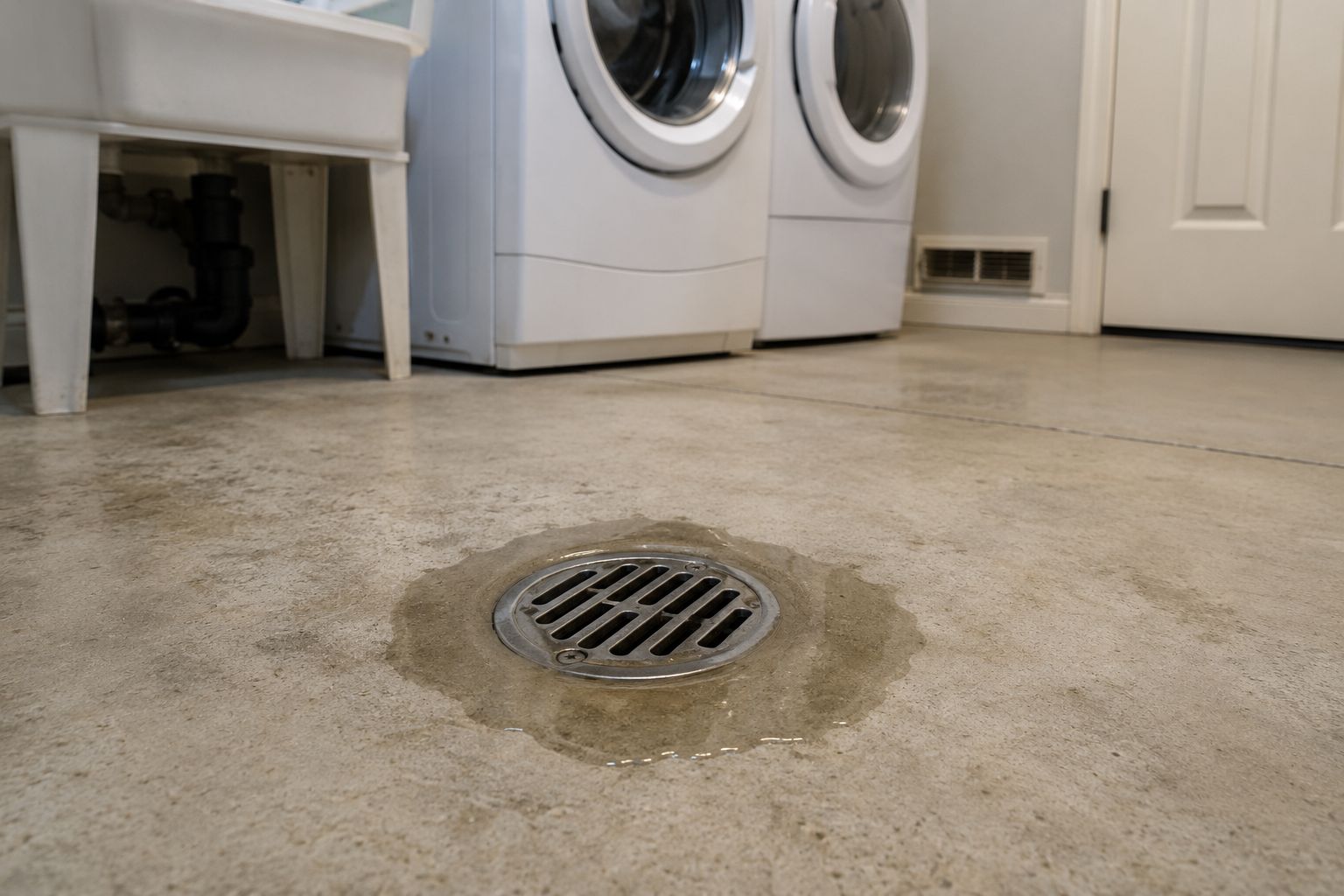
Sewage backups are one of the most unpleasant and costly problems a homeowner can face. Beyond the immediate inconvenience, these incidents pose serious health risks due to exposure to bacteria, viruses, and harmful pathogens. The damages extend beyond health concerns—structural damage, foul odors, and ruined possessions can lead to significant financial and emotional stress. Unfortunately, many homeowners only consider sewage issues once they occur, rather than adopting a proactive maintenance strategy. Understanding the causes and taking preventive steps is critical for safeguarding your property and peace of mind.
Regular maintenance of
plumbing and drainage systems is a highly effective method to prevent sewage backups before they escalate into emergencies. Routine inspections, cleaning, and timely repairs not only enhance the lifespan of your pipes but also ensure a smoothly functioning system, reducing the risk of unexpected clogs and blockages. Homeowners who prioritize proactive care save substantial costs compared to emergency remediation and replacement. In addition, regular maintenance promotes a hygienic environment, protecting both residents and the surrounding property from contamination. This blog delves into the essential steps, strategies, and best practices for protecting your home from sewage backups, offering expert insights to empower homeowners to take control of their plumbing systems.
1. Understanding the Causes of Sewage Backups
Blockages in Main Sewer Lines
One of the most common causes of sewage backups is a blockage in the main sewer line. These blockages can result from the accumulation of grease, soap scum, hair, and other debris over time. Over time, these materials solidify inside the pipes, restricting flow and significantly increasing the likelihood of a severe backup. In older homes, tree roots infiltrating the sewer line are another frequent culprit, causing cracks, interruptions, and structural weakening of the pipe itself.
Plumbing System Failures
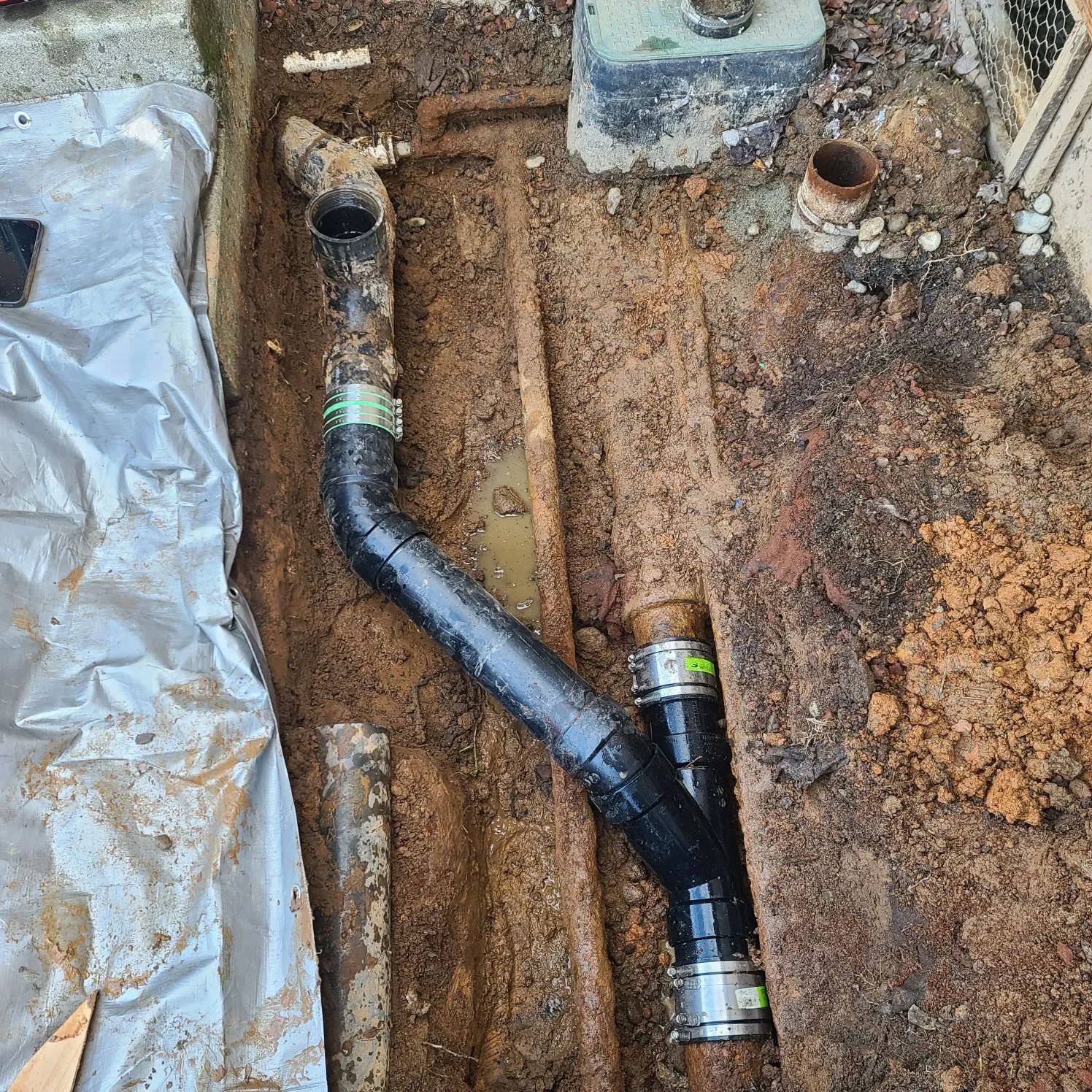
Faulty plumbing or deteriorating pipes also contribute to backups. Corrosion, broken joints, sagging pipes, and misaligned connections reduce the system’s efficiency, increasing the risk of sewage overflowing into the home unexpectedly. Homes with outdated cast-iron or clay pipes are especially vulnerable to severe blockages. Regular evaluations by licensed professionals help identify weak points before they develop into dangerous plumbing disasters that can affect multiple areas of the house.
2. The Importance of Regular Plumbing Inspections
Detecting Early Warning Signs
Regular inspections by a licensed plumber allow homeowners to detect early warning signs of potential issues before they escalate into emergencies. Slow drains, foul odors, gurgling sounds, and sewage odors in unexpected areas often indicate that the plumbing system is under considerable stress. Timely identification of these signs can prevent extensive damage, costly repairs, and unnecessary disruptions to daily life.
Video Camera Pipe Inspections
Modern plumbing services often utilize video camera inspections to examine the interior of sewer lines with remarkable precision. This technology provides detailed insight into blockages, pipe corrosion, and root intrusions that would otherwise remain undetected. A video inspection can reveal hidden problems that conventional methods might entirely miss, allowing homeowners to address issues proactively and prevent future sewage emergencies.
3. Preventive Cleaning and Maintenance Strategies
Hydro Jetting for Thorough Pipe Cleaning
Hydro jetting is a powerful method that uses high-pressure water to clear blockages and remove accumulated buildup inside sewer pipes effectively. Unlike traditional snaking, hydro jetting cleans the entire interior surface of the pipes, significantly reducing the risk of recurring clogs. Homeowners who schedule regular hydro jetting treatments benefit from long-term protection against backups, reducing stress and potential damage.
Grease and Waste Management
Preventing blockages starts with proper waste disposal practices at home. Avoid pouring cooking grease, coffee grounds, and fibrous materials down the drain, as they accumulate over time and restrict flow. Install drain screens to catch hair and debris, and educate all household members on what should and should not enter the plumbing system for optimal performance.
Seasonal Maintenance
Certain seasons, such as fall when leaves accumulate or spring when heavy rains occur, increase the risk of sewer backups substantially. Scheduling inspections and cleanings before these periods helps maintain clear, efficient drainage and prevents blockages from causing major disruptions or property damage during peak seasons.
4. The Role of Sewer Line Repairs and Upgrades
Trenchless Pipe Repair Solutions
Traditional pipe repair often requires extensive excavation and landscaping removal, but trenchless technologies offer less disruptive alternatives for homeowners. Methods such as pipe lining or pipe bursting allow for repairing damaged sewer lines with minimal disturbance to landscaping, driveways, and property structures. These modern approaches are highly effective for preventing future backups and extending the overall life of residential plumbing systems.
Upgrading Aging Plumbing Systems
Older homes with outdated piping materials are more prone to blockages, corrosion, and frequent failures. Upgrading to durable PVC or ABS piping enhances flow efficiency, reduces maintenance frequency, and ensures long-term system reliability. Investing in these system upgrades may seem costly initially, but it offers significant long-term savings by preventing emergency interventions and unexpected expenses.
Addressing Recurring Issues
Homes that experience repeated sewage backups may have underlying systemic problems, such as improper pipe slopes, collapsed sections, or excessive root infiltration. Professional evaluation can pinpoint the root cause, enabling a permanent solution rather than temporary fixes that only address symptoms of the problem instead of the actual source.
5. Implementing Backflow Prevention Measures
Installing Backwater Valves
Backwater valves are specialized devices that prevent sewage from flowing backward into a home during heavy rains or municipal sewer surges. These valves are particularly essential for homes located in low-lying areas, near creeks, or regions prone to frequent flooding. Proper installation ensures that wastewater exits the home but cannot re-enter, providing a critical safeguard against sewage backups and costly property damage.
Routine Testing and Maintenance
Backwater valves require periodic testing to ensure they function correctly under real-world conditions. Regular maintenance, including cleaning, lubrication, and inspection, guarantees that these systems perform optimally when needed most. Failure to maintain these devices can result in ineffective protection and sudden flooding during emergencies.
Example:
A homeowner living near a creek experienced minor flooding after heavy rainfall. With a professionally installed backwater valve, the system successfully prevented sewage from entering the basement, avoiding costly water damage and serious health hazards associated with contaminated water.
6. Educating Homeowners for Long-Term Prevention
Recognizing Household Habits That Increase Risk
Certain behaviors and everyday habits exacerbate the likelihood of sewage backups. Flushing non-degradable items like wipes, paper towels, sanitary products, or pouring grease down the sink can cause persistent blockages. Awareness of these risks and adjusting household habits plays a significant role in preventing plumbing emergencies before they occur.
Creating a Preventive Maintenance Schedule
Homeowners should develop a structured routine maintenance schedule that includes annual inspections, periodic hydro jetting, seasonal cleanings, and backwater valve testing. Documentation of these activities not only ensures system efficiency but also enhances home resale value by demonstrating responsible care and proper plumbing system management.
Leveraging Professional Expertise
While some maintenance tasks are DIY-friendly, consulting licensed plumbers ensures accurate assessments, professional solutions, and high-quality interventions. Professionals provide expert guidance, recommend the most effective solutions, and perform technically demanding procedures that minimize future risks and avoid recurring sewage problems.
Benefit:
A proactive maintenance approach reduces unexpected repair costs, maintains household hygiene, and ensures uninterrupted use of home plumbing systems while providing peace of mind to homeowners.
7. Challenges and Considerations in Sewage Maintenance
Cost and Resource Allocation
Homeowners may hesitate to invest in preventive maintenance due to perceived upfront costs. However, emergency sewage remediation can cost several times more than routine inspections, cleaning, and minor repairs. Budgeting for regular maintenance is a strategic investment that mitigates financial surprises and avoids unnecessary emergency expenditures.
Access and Infrastructure Limitations
Older homes or properties with complex plumbing layouts may present significant challenges for inspections, cleaning, and repairs. Pipes located under concrete slabs, deep underground, or surrounded by dense landscaping require advanced tools, professional expertise, and specialized equipment for effective maintenance and proper functioning.
Environmental Factors
External factors such as heavy rainfall, soil erosion, nearby construction, and tree growth can impact sewer lines and drainage efficiency. Understanding local environmental conditions and adapting maintenance strategies accordingly is crucial for minimizing backup risks, maintaining system longevity, and avoiding costly structural damage to your property.
Protect Your Home with Proactive Sewer Maintenance
Preventing sewage backups is far more cost-effective and safer than dealing with emergencies. Understanding the causes, performing regular inspections, implementing cleaning strategies, upgrading aging systems, and installing backflow prevention measures are all critical steps to safeguard your home. Homeowners who adopt proactive maintenance practices enjoy peace of mind, maintain property value, and protect their family’s health from potential contamination.
For homeowners seeking expert guidance and dependable solutions, Quality Plumbing & Drain Services
in Cameron Park, California, offers 12
years of professional experience in preventing and resolving sewage issues. Our team specializes in comprehensive plumbing inspections, preventive maintenance, pipe repairs, hydro jetting, and backwater valve installations. We understand the importance of protecting your home from costly sewage backups and provide tailored maintenance plans to fit each property’s unique needs. With a commitment to quality workmanship, transparent pricing, and prompt service, Quality Plumbing & Drain Services
stands as a trusted partner for homeowners aiming to secure their plumbing systems, prevent emergencies, and maintain a safe, healthy living environment.